Showing posts with label Pediatric. Show all posts

Study: Kids, Underlying Conditions, And The 2009 Pandemic Flu

image

Credit CDC FluView


# 6522


The chart above illustrates the sharp rise in pediatric deaths from flu-related complications during the 2009-2010 H1N1 pandemic seasons in the United States.  As grim as this charts is, it probably doesn’t fully represent the burden the 2009 pandemic placed on the pediatric community.


In another chart, again from the CDC, we get an estimate of deaths related to the 2009 pandemic, broken down by age groups through April of 2010.


image


While just over 300 pediatric deaths were recorded during this time period, the CDC estimates that 4 times (n=1280) that many children likely died from flu-related illness in the United States.


Globally, the number was undoubtedly many times higher than that (see Lancet: Estimating Global 2009 Pandemic Mortality).


All of which serves as prelude to a new study that appears today in the journal  Pediatrics, that looks at 336 documented pH1N1-associated deaths, and finds a high number of kids with underlying neurologic conditions.


Two-thirds of all deaths in children under the age of 17 occurred in kids with at least 1 underlying medical condition (n=227), and just under half of all cases (n=146) involved neurological disorders, such as cerebral palsy, epilepsy, or intellectual disability.


Neurologic Disorders Among Pediatric Deaths Associated With the 2009 Pandemic Influenza

Lenee Blanton, MPHa,Georgina Peacock, MD, MPH, FAAPb, Chad Cox, MD, MPHa, Michael Jhung, MD, MPHa, Lyn Finelli, DrPHa, and Cynthia Moore, MD, PhDb

ABSTRACT (Excerpts)

RESULTS: Of 336 pH1N1-associated pediatric deaths with information on underlying conditions, 227 (68%) children had at least 1 underlying condition that conferred an increased risk of complications of influenza. Neurologic disorders were most frequently reported (146 of 227 [64%]), and, of those disorders, neurodevelopmental disorders such as cerebral palsy and intellectual disability were most common.

CONCLUSIONS: Neurologic disorders were reported in nearly two-thirds of pH1N1-associated pediatric deaths with an underlying medical condition. Because of the potential for severe outcomes, children with underlying neurologic disorders should receive influenza vaccine and be treated early and aggressively if they develop influenza-like illness.


According to a statement released last night by the CDC:


Of the children with neurologic disorders for whom information on vaccination status was available, only 21 (23 percent) had received the seasonal influenza vaccine and 2 (3 percent) were fully vaccinated for 2009 H1N1.


With September just around the corner, the annual push for flu vaccinations is upon us, and today’s study will hopefully help inspire parents to get all kids – regardless of underlying conditions - vaccinated against influenza.


While the effectiveness of flu vaccines vary from year-to-year, and indeed, from one person to the next, they remain the single most important preventative step you can take to avoid getting the flu each year.


Despite the hyperbolic anti-vaccine rhetoric often found on the Internet, the truth is, serious adverse reactions to the vaccine are exceedingly rare (see the CDC’s  Influenza Vaccine Safety).


With two new strains of seasonal flu expected to be in circulation this winter (Yamagata B, and the Victoria H3N2) ones that will be covered by this year’s vaccine – getting the flu shot this year is doubly important.


CDC recommends that just about everyone aged 6 months and older get an annual influenza vaccination, and stresses their importance for those who are at greater risk of serious complications.


For more on vaccine safety and effectiveness, the CDC maintains extensive web pages, and resources, on seasonal flu vaccines, including:


What You Should Know for the 2012-2013 Influenza Season


Preventing Seasonal Flu With Vaccination


Children, the Flu, and the Flu Vaccine

»» Read More

Study: Kids, Pandemic H1N1 & MRSA Co-Infection


# 5945


We’ve looked at a connection between enhanced flu mortality and bacterial co-infections many times in the past, most recently last September in mBio: Lethal Synergism of H1N1 Pandemic Influenza & Bacterial Pneumonia.


In that study scientists at NIAID and the Institute for Systems Biology (ISB) infected experimental mice with both seasonal flu and the 2009 H1N1 pandemic flu, and after 48 hours exposed some of them to Streptococcus pneumoniae, one of the main causes of pneumonia.


Mice that were exposed only to the two flu strains showed expected flu symptoms, but all survived.


Mice that were exposed to seasonal flu and S. pneumoniae experienced minor lung damage, but once again, all survived.


But all of the mice infected with the pandemic H1N1 virus, and S. pneumoniae showed severe weight loss, lung damage, and 100% mortality


Indicating that pandemic H1N1, more than seasonal flu, exacerbated an S. pneumoniae co-infection.


In 2008, we saw a study in The Journal of Infectious Diseases by Morens, Taubenberger, and Fauci that looks at the role of bacterial pneumonia in the high death toll of 1918 (see Viral-Bacterial Copathogenesis).


An excerpt from their study reads:


Conclusions. The majority of deaths in the 1918–1919 influenza pandemic likely resulted directly from secondary bacterial pneumonia caused by common upper respiratory–tract bacteria.


Less substantial data from the subsequent 1957 and 1968 pandemics are consistent with these findings. If severe pandemic influenza is largely a problem of viral-bacterial copathogenesis, pandemic planning needs to go beyond addressing the viral cause alone (e.g., influenza vaccines and antiviral drugs).


2008 also saw additional studies published in the CDC’s EID Journal that looked at the synergy between pandemic flu and bacterial pneumonia, including:


Brundage JF, Shanks GD. Deaths from bacterial pneumonia during 1918–19 influenza pandemic. Emerg Infect Dis. 2008 Aug;


Ravindra K. Gupta,*  Robert George, and Jonathan S. Nguyen-Van-Tam Bacterial Pneumonia and Pandemic Influenza Planning Emerg Infect Dis. 2008 Aug;


Shanks and Brundage found, for instance, that during the 1918 pandemic 5% of the deaths attributed to the 1918 pandemic occurred in the first 3 days of infection, while the median time from illness onset to death was 7–10 days, with many deaths occurring >2 weeks after initial symptoms..


Which they believed was more indicative of death due to secondary bacterial infection than directly from a flu virus, or a cytokine storm response (see Influenza's One-Two Punch).


These studies, along with a number of others, have enforced the idea that pneumococcal vaccines like PCV7 Pneumococcal Vaccine Would Save Lives In A Pandemic.


Given this past research, it shouldn’t come as a terrible surprise that a study that appears today in the journal Pediatrics found, among other things, that a co-infection with MRSA was associated with a higher mortality rate among healthy kids infected with the 2009 H1N1 pandemic virus.


First a link to the study, and an excerpt from the abstract, then I’ll be back with more.


Critically Ill Children During the 2009–2010 Influenza Pandemic in the United States

Adrienne G. Randolph,Frances Vaughn, Ryan Sullivan, Lewis Rubinson, B. Taylor Thompson, Grace Yoon, Elizabeth Smoot, Todd W. Rice, Laura L. Loftis, Mark Helfaer,Allan Doctor, Matthew Paden, Heidi Flori, Christopher Babbitt, Ana Lia Graciano, Rainer Gedeit, Ronald C. Sanders, John S. Giuliano, Jerry Zimmerman, Timothy M. Uyeki

(EXCERPT)

Overall, 71 (8.5%) of the patients had a presumed diagnosis of early (within 72 hours after PICU admission) Staphylococcus aureus coinfection of the lung with 48% methicillin-resistant S aureus (MRSA). In multivariable analyses, preexisting neurologic conditions or immunosuppression, encephalitis (1.7% of cases), myocarditis (1.4% of cases), early presumed MRSA lung coinfection, and female gender were mortality risk factors. Among 251 previously healthy children, only early presumed MRSA coinfection of the lung (relative risk: 8 [95% confidence interval: 3.1–20.6]; P < .0001) remained a mortality risk factor.

Conclusions: Children with preexisting neurologic conditions and immune compromise were at increased risk of pH1N1-associated death after PICU admission. Secondary complications of pH1N1, including myocarditis, encephalitis, and clinical diagnosis of early presumed MRSA coinfection of the lung, were mortality risk factors.


The entire study is behind a pay wall, but we’ve a lengthy press release available with considerable detail.


Why Did Healthy Children Fall Critically Ill in the 2009 H1N1 Flu Pandemic?

Largest study to date finds co-infection with MRSA increased death risk 8-fold; flu vaccination urged


BOSTON, Nov. 7, 2011 /PRNewswire-USNewswire/ -- During the 2009 H1N1 influenza pandemic, many previously healthy children became critically ill, developing severe pneumonia and respiratory failure, sometimes fatal. The largest nationwide investigation to date of influenza in critically ill children, led by Children's Hospital Boston, found one key risk factor: Simultaneous infection with methicillin-resistant Staphylococcus aureus (MRSA) increased the risk for flu-related mortality 8-fold among previously healthy children.


Moreover, almost all of these co-infected children were rapidly treated with vancomycin, considered to be appropriate treatment for MRSA. The fact that they died despite this treatment is especially alarming given the rising rates of MRSA carriage among children in the community.


"There's more risk for MRSA to become invasive in the presence of flu or other viruses," says study leader Adrienne Randolph, MD, MsC, of the Division of Critical Care Medicine at Children's Hospital Boston. "These deaths in co-infected children are a warning sign."


The researchers hope their findings, published November 7 by the journal Pediatrics, (eFirst pages) will promote flu vaccination among all children aged 6 months and older. (No flu vaccine is currently available for children younger than 6 months.)


(Continue . . . )


As we’ve discussed before, a small percentage of the population is known to carry either MRSA or non-resistant S. aureus in their nasal cavities.


This from the CDC:
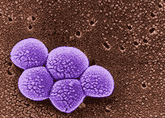
Definition of MRSA

colorized scanning electron micrograph (SEM) of MRSA


While 25% to 30% of people are colonized* in the nose with staph, less than 2% are colonized with MRSA (Gorwitz RJ et al. Journal of Infectious Diseases. 2008:197:1226-34.).

*Colonized:
When a person carries the organism/bacteria but shows no clinical signs or symptoms of infection. For Staph aureus the most common body site colonized is the nose.


While 2% doesn’t sound like a lot, there are signs that number may be increasing. Once considered primarily a hospital acquired infection, CA-MRSA (community acquired) is growing in incidence.


For instance, In Firefighters & Paramedics At Greater Risk Of MRSA and Firefighters & MRSA Revisited we looked at research showing a 10x’s greater incidence of MRSA colonization (20%) among a sampling of firefighters tested in Washington State.


Most of the time our immune systems keep these bacteria in check, and we display no outward signs of infection.


But when our immune systems are weakened, such as when we are stricken by influenza, these resistant bacteria can suddenly bloom and become invasive.


Again, from the Press Release:


Influenza appears to suppress the immune response, making children who are already colonized more susceptible to invasive bacterial disease.


"Previously, MRSA has not been considered a common cause of pneumonia in kids but this may be changing," Randolph says. "It's likely that flu and other viral infections let MRSA invade and that there's some synergistic reaction between flu and these bacteria."


While this study specifically links MRSA to bad outcomes among children with pandemic H1N1, the 2008 study by Shanks and Brundage found that during the 1918 pandemic:


. . .  the bacteria most often recovered from the sputum, lungs, and blood of pneumonia patients, alive or dead, were common colonizers of the upper respiratory tracts of healthy persons, i.e., Hemophilus influenzae, Streptococcus pneumoniae, S. pyogenes, and/or Staphylococcus aureus.


Whether it is the routine carriage of bacteria in our respiratory system, or the make up of the microflora in our gut biome, scientists are increasingly linking our health, and the progression and outcome of some diseases, to our individual body’s ecosystem.


Which may explain, at least partially, why 99 out of 100 people can catch the flu and recover quickly and without incident, while an unlucky 1% may endure a serious and sometimes fatal illness.


The authors of today’s study advise:


Physicians seeing children with serious lower-respiratory-tract disease during flu season are urged to give early antiviral treatment (Tamiflu or zanamivir [Relenza]) and antibiotics covering MRSA and other flu-associated bacteria, even before suspected infections are confirmed in the lab, the researchers say.


But other approaches are urgently needed. "MRSA is hard to develop a vaccine against – researchers have been trying since the 1960s and have been unsuccessful," says Randolph. "So the only way to prevent these severe complications is to get everyone vaccinated against the flu, and do more studies of MRSA colonization so we can prevent it in the community and in kids."


Further evidence, as if we needed it, that influenza and its complications can be complex, difficult, and occasionally deadly foes.

»» Read More

Pediatrics: Effectiveness Of A Single Adjuvanted Pandemic Flu Shot In Children


image

# 5890


The recommendation by the CDC for young children receiving the (unadjuvanted) flu vaccine is that:


Children less than nine years of age being vaccinated for the first time should receive two doses of influenza vaccine, spaced at least 4 weeks apart in the initial year.


The assumption has also been that during a pandemic, even previously immunized children would require 2-doses of vaccine against any emerging novel virus. 


A 1-dose vaccination schedule would be highly desirable, provide savings in both time-to-immunity and resources.


We’ve a study that appeared yesterday in the journal Pediatrics that looks at the effectiveness of a single adjuvanted flu shot given to children during the fall of 2009 for the H1N1 pandemic (my thanks to loyal reader Anne who forwarded this link to me).


What they found was that a single dose of the AS03-adjuvanted vaccine conferred significant protection against influenza-related hospitalization in children aged 6 months to 9 years of age.


Effectiveness of Pandemic H1N1 Vaccine Against Influenza-Related Hospitalization in Children

Rodica Gilca, MD, PhDGeneviève Deceuninck, MD, MSc, Gaston De Serres, MD, PhD, Nicole Boulianne, MSc, Chantal Sauvageau, MD, MSc, FRCPC, Caroline Quach, MD, MSc, FRCPC, François D. Boucher, MD, FRCPC, Danuta M. Skowronski, MD, MHSc

Abstract

<SNIP>

Results: The overall effectiveness of a single pediatric dose of vaccine administered ≥14 days before illness onset was 85% (95% confidence interval [CI]: 61% to 94%), varying according to age category but with wide and overlapping CIs: 92% (95% CI: 51% to 99%) in 6–23 month-old children, 89% (95% CI: 34% to 98%) in 2–4 year-olds, and 79% (95% CI: −31% to 96%) in 5–9 year-olds. Overall vaccine effectiveness for immunization ≥10 days before illness onset was slightly lower at 80% (95% CI: 60% to 90%), with similar variation according to age.


Conclusion: In children aged 6 months to 9 years, a single pediatric dose of the AS03-adjuvanted pH1N1 vaccine was highly protective against hospitalization beginning at 10 and 14 days after vaccination.


Adjuvants such as AS03 are additives that are used to increase the immune response to a vaccine. While they have been used in Europe and in Canada, adjuvanted flu vaccines have not been licensed for use in the United States. 


With tens of millions of adjuvanted flu vaccines deployed since the pandemic of 2009, we are getting more data on their impact.


In February of this year, in BMJ: Effectiveness of AS03 adjuvanted pandemic H1N1 vaccine researchers found the vaccine to be 93% effective, at least in recipients under the age of 50.


In December of 2010, in Lancet: Immunogenicity and safety Of Adjuvanted Flu Vaccines, researchers compared the safety and immunogenicity of GSK’s adjuvanted (AS03A) H1N1 pandemic vaccine and Baxter’s non-adjuvanted 2-Dose pandemic vaccine.


They found the adjuvanted split-virus vaccine achieved a stronger and faster immune response than the whole-virus non-adjuvanted vaccine.


They also found that a single antigen-dose sparing adjuvanted vaccination mounted a sufficient immune response in adults and adolescents, although the elderly might require a second shot.


Safety of the two vaccines was comparable, although recipients of the adjuvanted vaccine were more likely to report injection site soreness, and general complaints (malaise, fever, headaches) than did those who received the non-adjuvanted vaccine.


And in May of 2010 we saw a comparison study (see BMJ: Immunogenicity Of Adjuvanted vs. Unadjuvanted H1N1 Vaccines) between GSK’s Pandemrix, containing the adjuvant AS03, verses Baxter’s unadjuvanted Celvapan in British children.


Although the adjuvanted Pandemrix vaccine was associated with a higher rate of (usually mild) side effects (fever, injection site soreness), it produced a superior immune response.  


One unresolved question regarding the safety of adjuvants stems from the increase in narcolepsy seen among recipients of the 2009 Pandemrix vaccine in Finland (see Finland: Task Force Report On Pandemrix-Narcolepsy Link).


This report found:


In approximately one quarter of those who developed narcolepsy following Pandemrix vaccination, the THL Immunology laboratory found antibodies binding to the AS03 adjuvant component of the vaccine.


Adjuvants containing squalene have not previously been reported to induce the production of antibodies. The significance of this preliminary observation will be the subject of further research.


Whether these antibodies are in any way connected to these rare cases of narcolepsy – or in any way affects the health of the vaccine recipientshas yet to be determined.


Complicating matters, more than a dozen countries reported an increase in narcolepsy during the 2009 pandemic, even those where the adjuvanted vaccine was not used


You can find details on one such study in Stanford Study Finds Influenza – Narcolepsy Connection  that linked narcolepsy not to the vaccine . . . but to the influenza virus itself.


Even if the adjuvant is eventually linked to these cases (and the jury on that is still out), Finland’s Narcolepsy taskforce found that the use of the vaccine probably saved lives and that `overall benefit-risk balance remains positive.’


Despite a few nagging questions over the safety of adjuvants in some quarters, studies over the past couple of years continue to reassure in terms of both safety and efficacy.

»» Read More

MMWR: Influenza-Associated Pediatric Deaths 2010-2011


# 5844


The CDC’s MMWR yesterday contained an in-depth look at 115 flu-related pediatric deaths over the past 12 months (Sept 2010-Aug 2011). Notification of pediatric flu-related deaths has been nationally required since 2004.


Case criteria is defined as: `death from a clinically compatible illness confirmed to be influenza by a diagnostic test in a U.S. resident aged <18 years, with no period of complete recovery between illness and death’.


Despite being a reportable event, the number of flu-related pediatric deaths is likely under stated since only those patients who are tested for influenza, test positive, and then are subsequently reported to the CDC are counted.


Since reporting became mandatory, yearly pediatric influenza deaths have ranged from a low of 46 during the 2005-2006 flu season to a high of 282 during the 2009—2010 pandemic.


Making this past year’s total of 115 a bit higher than we’ve generally seen in a non-pandemic year.


FIGURE 1. Number of influenza-associated pediatric deaths (N = 115), by week of death and type of influenza virus --- United States, September 1, 2010--August 31, 2011

image


Despite surveillance numbers that showed that only 26% of the influenza viruses in circulation last year were influenza B, a disproportionately high 38% of these pediatric fatalities were attributed to the B virus.


Just under half (49%) of these pediatric deaths occurred in children who had no ACIP defined high risk medical conditions. These children also saw a shorter interval between illness onset and death (4 days versus 7 days), and were more likely to die at home or in the emergency department.


Statistics that reinforce the need for all parents to closely monitor their children when they have signs of influenza.  The CDC provides a parent’s guide with information on the danger signs in children, and advice on vaccination.


 image


Of the 57 cases that met at least one of ACIP’s high-risk definitions, the report lists: `31 (54%) had a neurologic disorder, 17 (30%) had pulmonary disease, 14 (25%) had a chromosomal abnormality or genetic disorder, 11 (19%) had congenital heart disease or other cardiac disease, and 11 (19%) had asthma or reactive airway disease. Obesity was reported in two (4%) of the 57 children’.


Vaccination coverage in this age cohort (6 mos – 17yrs) during the 2010-2011 flu season was estimated to be about 49%. 


Of the 74 children whose vaccination status could be established, only 23% had received influenza vaccine in at least 14 days before illness onset. Among children with at least one ACIP-defined high risk condition, 31% had been vaccinated.


Leading the authors to conclude:


These findings emphasize the need to improve vaccination coverage among all children, especially those at increased risk for influenza-related complications.

To protect infants aged <6 months who are too young to be vaccinated, ACIP recommends that pregnant women (3) and household contacts and out-of-home caregivers of such infants receive vaccination against influenza (1).

Because influenza vaccination of women during pregnancy has been shown to be effective in reducing hospitalizations (1) and deaths among infants aged <6 months (3), improving vaccination rates among pregnant women is a priority.


The complete and very detailed report may be viewed at:


Influenza-Associated Pediatric Deaths --- United States, September 2010--August 2011

Weekly

September 16, 2011 / 60(36);1233-1238


The editor’s summary states:


What is already known on this topic?

Since influenza-associated pediatric deaths became a nationally notifiable condition in 2004, the number of deaths reported to CDC has ranged from 46 during the 2005--06 influenza season to 282 during the 2009--10 season.


What is added by this report?

A total of 115 influenza-associated pediatric deaths were reported to CDC that occurred from September 1, 2010 to August 31, 2011. Fifty-six (49%) children who died from influenza virus infections during the 2010--11 influenza season had no reported Advisory Committee on Immunization Practices (ACIP)--defined high-risk medical conditions. Children without high-risk conditions had a shorter interval between illness onset and death (4 days versus 7 days), were more likely to die at home or in the emergency department, and were more likely to have a positive bacterial culture from a sterile site. Among children who died from influenza, few (23%) were vaccinated, and 50% received antiviral therapy.


What are the implications for public health practice?

Continued efforts are needed to ensure annual influenza vaccination in all persons aged ≥6 months, and children with high-risk medical conditions should be specially targeted for vaccination. Health-care providers should be aware that severe complications of influenza can occur in children without high-risk medical conditions. Early and aggressive treatment with oseltamivir or zanamivir is recommended as soon as possible after symptom onset in patients with confirmed or suspected influenza who are hospitalized; who have severe, complicated, or progressive illness; or who are at a higher risk for influenza complications.

»» Read More

It’s In The Bag


# 5743


An interesting report appears this week in Pediatrics, the journal of the AAP, on the temperature and safety of brown-bagged school lunches prepared at home.


The surprising results appear in an  article called:


Temperature of Foods Sent by Parents of Preschool-aged Children

Fawaz D. Almansour, MS, Sara J. Sweitzer, PhD, RD, LD, Allison A. Magness, BS,  Eric E. Calloway, BS, Michael R. McAllaster, BS, Cynthia R. Roberts-Gray, PhD, Deanna M. Hoelscher, PhD, RD, LD, CNS, Margaret E. Briley, PhD, RD, LD


Essentially, researchers tested the temperature of perishable food items brought to school 90 minutes before lunch at 9 central Texas day-care centers, and found the following:


  • 39% (n = 276) of the 705 lunches analyzed had no ice packs
  • 45.1% (n = 318) had 1 ice pack
  • 88.2% (n = 622) of lunches were at ambient temperatures
  • Only 1.6% (n = 22) of perishable items (n = 1361) were in the safe temperature zone.
  • Even with multiple ice packs, the majority of lunch items (>90%) were at unsafe temperatures.


In the abstract, the authors write:


Conclusions: These results provide initial data on how frequently sack lunches sent by parents of preschool-aged children are kept at unsafe temperatures.

Education of parents and the public must be focused on methods of packing lunches that allow the food to remain in the safe temperature zone to prevent foodborne illness.


While most parents probably believe that including one or more ice packs are enough to keep food at a safe temperature, the evidence suggests otherwise. 


Consuming perishable foods that have been allowed to exceed the recommended storage temperature doesn’t necessarily mean your child will get sick, but it can certainly increase the odds.


With that in mind, Foodsafety.gov has some tips on how to pack lunches to reduce the chances of sending an out-of-control biological experiment to school with your child.


Keep School Lunches Safe


Posted September 07, 2010 

By Diane Van, USDA's Food Safety and Inspection Service

As children head back to school this fall, parents and caretakers may wonder, “What’s the most important thing that the kids should take to school with them?” From my perspective as a food safety specialist, I’d recommend an insulated lunch box as the best investment of the school year. For a few dollars, an insulated lunch box can keep children healthy and engaged to learn by protecting them from foodborne illness.

Packing and eating school lunches

If you pack perishable food in an old-fashioned brown paper bag, it can be unsafe to eat by lunchtime. When children are sent home sick or stay home because of illness, it’s difficult for them to succeed in their school work.


Insulated lunch boxes help maintain food at a safe temperature until lunchtime. Perishable lunch foods, such as cold cut sandwiches and yogurt, can be left out at room temperature for only 2 hours before they may become unsafe to eat. But, with an insulated lunch box and a chilled freezer gel pack, perishable food can stay cold and safe to eat until lunch.


Why keep food cold? Harmful bacteria multiply rapidly in the "Danger Zone" — the temperatures between 40 and 140 °F. So, perishable food transported without a cold source won't stay safe long.


Here are some other tips to keep food safe until lunchtime:

  • Clean Hands: Always make sure your hands are clean before preparing lunches. And, make sure your children understand that they need to wash their hands thoroughly before eating lunch or snacks. “Washing hands thoroughly” means using soap and warm water, and rubbing hands for 20 seconds (the time it takes to sing “Happy Birthday” twice). If water is not available, provide moist towelettes or hand sanitizing gels in the lunch box.
  • Freeze your juice box: You can freeze juice boxes and use them as freezer packs. By lunchtime, the juice should be thawed and ready to drink.
  • Hot Foods: To keep hot foods hot, use an insulated bottle like a thermos for foods such as soup, chili, or stew.
  • Non-Perishable Food: Some food is safe without a cold source. Lunch items that don't need to be refrigerated include whole fruits and vegetables, hard cheese, canned meat and fish, chips, breads, crackers, peanut butter, jelly, mustard, and pickles.

If the lunch box comes home with food in it, make sure to throw away any perishable food items, because they have been unrefrigerated too long!


If you have any other questions about packing lunches safely or have other food safety questions, feel free to contact us at the Hotline (1-888-674-6854 toll-free) or


In other words, you might want to reconsider the wisdom of sending that unrefrigerated egg-salad-sandwich in your child’s lunchbox in the middle of August.


Who knew?

»» Read More

Study: Prior Antibiotic Use & MRSA In Children


image

Photo Credit – CDC PHIL 


# 5730


Canadian researchers, examining 13 years worth of data from the UK’s General Practice Research Database (GPRD), have come up with what they are calling a `robust association’ between a prior history of antibiotic use and rates of CA-MRSA (Community Acquired Methicillin Resistant Staph Aureus) infection in children.


The GPRD collects anonymous data from 5 million active patients seen at 625 primary care practices throughout the UK. It represents 66 million patient-years of data, and is widely used for population based studies.


The study appeared online yesterday (Aug. 1st)  in the Archives of Pediatrics & Adolescent Medicine.


Antibacterial Drugs and the Risk of Community-Associated Methicillin-Resistant Staphylococcus aureus in Children

Verena Schneider-Lindner, MD, MSc; Caroline Quach, MD, MSc; James A Hanley, PhD; Samy Suissa, PhD

Arch Pediatr Adolesc Med. Published online August 1, 2011. doi:10.1001/archpediatrics.2011.143


What these researchers found was that while nearly half of children with MRSA in this study had no recent history of antibiotic use, the adjusted relative risk (RR) of developing MRSA was 3.5 times higher among children who had received antibiotic treatment in the previous 30-180 days before infection.


And that relative risk increased substantially among children who received more than one course of antibiotics.


The adjusted relative risk of developing MRSA was highest for those receiving Quinolones, at 14.8 and Macrolides at 5.2, while Penicillins and Sulfonamides produced the lowest RR (.8 and 1.3).


The authors concluded:


While close to half of children were diagnosed as having MRSA in the community without prior antibacterial drugs, such agents are associated with a dose-dependent increased risk, concordant with findings in adults.


Although the full study is behind a pay wall, we get more on this study, including some quotes from the authors, via Pulse Today.


'Robust association' between GP antibacterial prescriptions and MRSA in children

01 Aug 2011


While the authors are not claiming that this study conclusively proves a causal association, they are quoted as saying that ‘the association was not only dose and class dependent but also responsive to modifying the length of the exposure time window, which implies time dependency'.


When antibiotics are truly necessary and administered appropriately, they can often be life saving. While the possibility of later developing a MRSA infection may exist, those dangers are more than offset by the benefits of taking the drug.


But when antibiotics are taken inappropriately – those risks cease to be reasonable, as there is no potential health benefit in taking the antibiotic.


All drugs have side effects.  And there is a risk-reward calculation that we must all make when deciding to take a medication.


Among the risks of taking antibiotics: they can upset the balance of the normal flora in the gut, can sometimes spark difficult to treat C. Diff infections, can drive bacteria towards antimicrobial resistance, and as this study implies, may lead to an increased susceptibility to MRSA.


So appropriate use of our declining arsenal of effective antibiotics is imperative.In recent years many medical experts have been working to improve the way antibiotics are prescribed.


Some recent blogs on the judicious use of antibiotics include:


IDSA: Educational Guidelines Lower Antibiotic Use
World Health Day 2011
WHO: The Threat Of Antimicrobial Resistance
ECDC: Situation Update On Antimicrobial Resistance
CDC: Get Smart About Antibiotics Week
»» Read More

MJA: Safety Of Flu Shot In Young Children


# 5612


Last year a significant number of young Australian children receiving a specific brand of flu shot - FluVax or FluVax Junior (CSL) - developed adverse reactions. Most of the side effects were related to fever, with some children experiencing febrile convulsions.


Others experienced nausea and vomiting, or injection site inflammation (see Australia Investigating Adverse Vaccine Reactions).


For a while, Australia placed a moratorium on dispensing flu shots to children under the age of 5, but that was lifted after investigations found the problem was only linked to one manufacturer (see Australia Lifts Ban On Flu Vax For Under Five’s).


Since then, Australia, the United States, and Great Britain have recommended that CSL’s vaccine not be used in children under the age of 5 (see FDA Approves 2010-2011 Flu Vaccines), and investigations into the cause of these adverse reactions have continued.


On Monday, the Medical Journal of Australia (MJA) published a letter that looked at early flu-season testing of several non-CSL TIVs (Trivalent Influenza Vaccines) given to thousands of children under the age of 5. 


Ensuring safety of the 2011 trivalent influenza vaccine in young children

Christopher C Blyth, Tracy Y Markus, Paul V Effler and Peter C Richmond


Briefly, during a six week period (March 15th-April 30th) 2227 doses of TIV were administered to children under 5, out of which adverse events in four children were reported to WAVSS (Western Australian Vaccine Safety Surveillance).


Two reported mild fevers (38°C yet < 39.5°C), one nausea, vomiting & diarrhea, and one with fever and convulsions 4 days post vaccination (this child also had a respiratory infection at the time of vaccination).


All four children received other vaccines at the same time as the TIV.


Additionally, 144 children were enrolled in a safety study during the same time period. Adverse reactions  were reported in 10 children (7%), 2 of whom received other vaccines in addition to TIV.


All 10 children reported fever, and one child’s fever exceeded > 39.5°C although no convulsions were reported. Two children developed vomiting.


None of these children required professional medical attention.


The reassuring bottom line is that the pediatric flu shots manufactured by both Sanofi Pasteur and Solvay proved to be very safe when administered to young children, with no repeat of the significant number of adverse reactions reported last year.


The authors conclude by writing:


These data demonstrate that the significant adverse events that occurred after administration of TIV in 2010 have not been observed in WA during early 2011. Ongoing surveillance is underway and will continue.


Poor uptake of influenza vaccination in Australian children is likely to result in increased influenza-related hospitalisation, morbidity and mortality. Data such as those reported here are required to reassure the community of the safety of this vaccination program before the expected start of the 2011 influenza season.

»» Read More

FluView Week 12


# 5458


Although influenza season is winding down in the northern hemisphere the latest FluView report from the CDC indicates that this year’s visitation isn’t completely over.  


Pediatric deaths, once again, were above average with 12 reported during the last surveillance week. 


This year, there have been at least 89 children under the age of 18 killed by influenza in the United States. While fewer than during the pandemic (n=282) this is at the upper end of the numbers reported in recent years with several reporting weeks left to go.


A few excerpts follow from this week’s report ending March 26th.


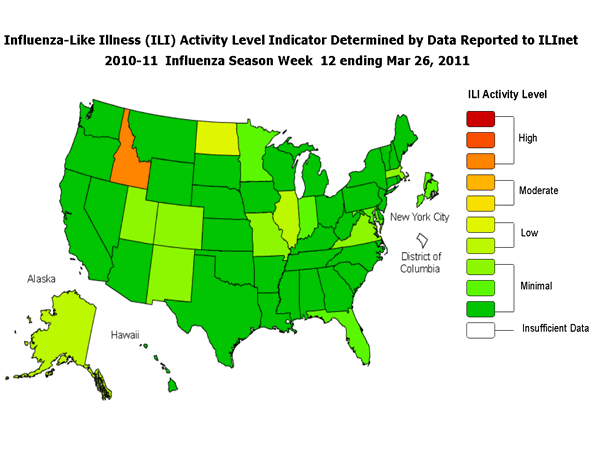
2010-2011 Influenza Season Week 12 ending March 26, 2011

All data are preliminary and may change as more reports are received.

Synopsis:

During week 12 (March 20-26, 2011), influenza activity in the United States decreased.

  • Of the 5,319 specimens tested by U.S. World Health Organization (WHO) and National Respiratory and Enteric Virus Surveillance System (NREVSS) collaborating laboratories and reported to CDC/Influenza Division, 737 (13.9%) were positive for influenza.
  • The proportion of deaths attributed to pneumonia and influenza (P&I) has been at or above the epidemic threshold for the ninth consecutive week.
  • Twelve influenza-associated pediatric deaths were reported, bringing the season total to 89. Four of these deaths were associated with influenza B viruses; four were associated with 2009 influenza A (H1N1) viruses; one was associated with influenza A (H3N2) virus, and three were associated with an influenza A virus for which the subtype was not determined.
  • The proportion of outpatient visits for influenza-like illness (ILI) was 2.0%, below the national baseline of 2.5%. Two of the 10 regions (Regions 2 and 10) reported ILI at or above region-specific baseline levels. One state experienced high ILI activity; three states experienced low ILI activity; 46 states and New York City experienced minimal ILI activity, and the District of Columbia had insufficient data.
  • The geographic spread of influenza in 10 states was reported as widespread; 21 states reported regional influenza activity; the District of Columbia and 12 states reported local influenza activity, and Guam, Puerto Rico, the U.S. Virgin Islands and six states reported sporadic influenza activity.

Click on map to launch interactive tool

INFLUENZA Virus Isolated

Pneumonia and Influenza (P&I) Mortality Surveillance

During week 12, 8.7% of all deaths reported through the 122-Cities Mortality Reporting System were due to P&I. This percentage was above the epidemic threshold of 8.0% for week 12 and is the ninth consecutive week in which P&I has been at or above the epidemic threshold.

Pneumonia And Influenza Mortality

Influenza-Associated Pediatric Mortality

Twelve influenza-associated pediatric deaths were reported to CDC during week 12. Four of these deaths were associated with influenza B viruses, four were associated with 2009 influenza A (H1N1) virus, one was associated with influenza A (H3N2) viruses, and three were associated with an influenza A virus for which the subtype was not determined.

Influenza-Associated Pediatric Mortality

»» Read More

Lancet: Pediatric Mortality Related To Pandemic H1N1


# 5014


Although its impact has almost been universally under-appreciated by the media and general public – we continue to see compelling evidence that the pandemic of 2009 was unusual in presentation, stressed many health care systems, and caused significant mortality and morbidity around the world.


It is true that in terms of absolute mortality -the pandemic of 2009 was less severe than many other flu outbreaks.  But the World Health Organization is also quick to admit that the `official numbers’ of deaths around the world were badly undercounted.


We will probably never know (with any confidence) the full impact of the pandemic.


Of course, much depends upon how you choose to measure a pandemic’s severity. 


For example.


With seasonal influenza, it is the elderly and frail that make up 90% of the deaths each year. The average age of death from seasonal flu in the US has been estimated to be 76.


Compare that to the mean age of death from the novel H1N1 virus, which has been calculated to be half that of seasonal flu, or 37.4 years (see Study: Years Of Life Lost Due To 2009 Pandemic)


So in terms of years of life lost (YLL), the average 2009 pandemic flu death had a many-fold greater impact than the average seasonal flu fatality.


Another indicator of how the pandemic of 2009 differed from seasonal flu comes from this stark graphic showing a four-fold increase in pediatric deaths from influenza associated illness during the pandemic.


image


As bad as these numbers are, the CDC actually estimates that only about 25% of pediatric influenza deaths were identified – and put the `real’ number at closer to 1300.


CDC Pandemic Est


All of which brings us to a new study which appears in the The Lancet, that finds a significant increase in pediatric mortality from influenza-related causes in the UK during the pandemic of 2009.


First a link to this news report from the The Telegraph, then some excerpts from the Lancet Abstract.


Swine flu killed three times more children than ordinary influenza: research

Three times as many children died from swine flu than from seasonal flu with the younger ones hit the hardest, research has shown.


Here are some excerpts from the Abstract.


The Lancet, Early Online Publication, 27 October 2010

doi:10.1016/S0140-6736(10)61195-6

Paediatric mortality related to pandemic influenza A H1N1 infection in England: an observational population-based study


Nabihah Sachedina MBBS , Prof Liam J Donaldson MD

Summary

Background

Young people (aged 0—18 years) have been disproportionately affected by pandemic influenza A H1N1 infection. We aimed to analyse paediatric mortality to inform clinical and public health policies for future influenza seasons and pandemics.

<SNIP>
Findings

70 paediatric deaths related to pandemic influenza A H1N1 were reported. Childhood mortality rate was 6 per million population.


The rate was highest for children aged less than 1 year. Mortality rates were higher for Bangladeshi children (47 deaths per million population [95% CI 17—103]) and Pakistani children (36 deaths per million population [18—64]) than for white British children (4 deaths per million [3—6]). 15 (21%) children who died were previously healthy; 45 (64%) had severe pre-existing disorders.


The highest age-standardised mortality rate for a pre-existing disorder was for chronic neurological disease (1536 per million population). 19 (27%) deaths occurred before inpatient admission. Children in this subgroup were significantly more likely to have been healthy or had only mild pre-existing disorders than those who died after admission (p=0·0109). Overall, 45 (64%) children had received oseltamivir: seven within 48 h of symptom onset.


While the novel H1N1 virus of 2009 produced essentially a low-mortality-high morbidity event for most of the population, studies continue to show that this flu pandemic differed from an ordinary flu season in a variety of ways.


Considering the years of life lost (YLL), the impact on health care, and increased pediatric mortality  - while never reaching the disaster status that some in the media originally hyped -  I find it difficult to go along with the popular notion that the pandemic of 2009 was a non-event.


For more on how this flu was different from seasonal flu, you might wish to revisit There’s No Flu Like A New Flu.

»» Read More

Study: Pediatric Neurological Complications With H1N1


# 4915


Despite being relatively mild for the vast majority of those it infected, the novel H1N1 virus – at least in a small percentage of victims – showed unusual, and sometimes severe, symptoms.


The most obvious difference between the pandemic virus and seasonal influenzas of the past has been the age shift in infections, hospitalizations, and deaths.


Unlike seasonal influenza, novel H1N1 has taken its biggest toll on those under the age of 65.


While the total number of flu-related fatalities appears to be less than normally seen with seasonal flu, In terms of years of life lost, novel H1N1 was anything but benign (see Study: Years Of Life Lost Due To 2009 Pandemic).


But the difference between pandemic H1N1 and seasonal flu go beyond this profound age shift. The symptomology of this virus differed for many people as well.


A brief review, before we get to today’s study.


Researchers in Hong Kong discovered that the H1N1 virus – unlike seasonal flu – easily infects and replicates in the conjunctival tissues of the eye  (see I Only Have Eyes For Flu).


Another difference observed with novel H1N1 has been its unusually high rate of gastro-intestinal symptoms. Diarrhea and vomiting have both been commonly reported with H1N1 pandemic influenza as evidenced by this report from Maggie Fox of Reuters.

 
US flu study confirms H1N1 more serious in youth

Thu Oct 8, 2009 10:41pm BST

* 45 percent of those hospitalized were under 18

* Diarrhea, vomiting in 42 percent of children with H1N1

* Quick drug treatment may save lives


And in December of last year, we saw a report from the NIH on autopsies performed on H1N1 victims in New York that showed unusual levels of lung damage.


 Virus Damages Entire Airway

Monday, Dec. 7, 2009

In fatal cases of 2009 H1N1 influenza, the virus can damage cells throughout the respiratory airway, much like the viruses that caused the 1918 and 1957 influenza pandemics, report researchers from the National Institutes of Health (NIH) and the New York City Office of Chief Medical Examiner.


Beyond the gastro-intestinal and pulmonary symptoms, we’ve also seen a number of neurological complications, particularly (but not exclusively) in children.


The first hint of this came last summer when the CDC’s MMWR (July 23rd issue) reported on 4 pediatric patients with the novel H1N1 virus who presented with neurological symptoms including unexplained seizures and altered mental status.


Neurologic Complications Associated with Novel Influenza A (H1N1) Virus Infection in Children --- Dallas, Texas, May 2009

. . .  On May 28, 2009, the Dallas County Department of Health and Human Services (DCHHS) notified CDC of four children with neurologic complications associated with novel influenza A (H1N1) virus infection admitted to hospitals in Dallas County, Texas, during May 18--28.


In November, in a blog entitled Japan: Influenza Related Encephalopathy we looked at a report in the Yomiuri Shimbun on 132 flu patients with neurological complications during the opening four months of the pandemic.


All of which serves as prelude to today’s study by researchers at the University of Utah which is to be published later today in the Annals of Neurology  (link not available yet).  


Heightened Neurologic Complications in Children with Pandemic H1N1 Influenza

Jeffrey J. Ekstrand, Amy Herbener, Julia Rawlings, Beth Turney, Krow Ampofo, E. Kent Korgenski, Joshua L. Bonkowsky. Annals of Neurology; Published Online: September 20, 2010 (DOI:10.1002/ana.22184)


Since the link has not appeared, what we do have is the press release on this study:


Higher incidence of seizures seen in children with H1N1 virus compared to seasonal flu

Vaccination important to combat flu-related neurological complications


This was a retrospective study, where researchers identified 303 children hospitalized with the pandemic H1N1 virus, 18 of which developed neurological symptoms.  


They compared these cases to records of 234 children admitted to the hospital in previous years due to seasonal influenza.


The most common neurological complications exhibited with novel H1N1 were seizures (12 patients or 67%), with seven exhibiting status epilepticus, a potentially life-threatening condition involving continuous or recurrent seizures that can last for a half hour or longer.


The mean age of children admitted with neurological symptoms from H1N1 was more than twice the age (6.5 years) than usually seen with seasonal flu (2.4 years).


And abnormal EEG (electroencephalogram) readings were more common in pandemic H1N1 cases than in seasonal influenza.


The researchers are unsure why these neurological manifestations appear more common in novel H1N1 influenza, but suggest that it may be part of an autoimmune response.


You can find more details of this study in an review published today by Medpage Today:


Seizures in Kids Linked to H1N1 Flu

By Nancy Walsh, Staff Writer, MedPage Today


While it is easy to dismiss the 2009 pandemic virus as overblown based simply on the total number of fatalities, when one looks a little deeper one discovers that the virus played by its own set of rules.


For the demographic group usually hit hardest by the flu – those in their 70s and 80s and most likely to die from the infection - novel H1N1 was almost like a year without influenza.  


But for many children, and younger adults, H1N1 proved to be a serious challenge.


This year, we’ve a double threat looming with this fall’s flu season.   The (former) pandemic H1N1 virus is likely to return, along with (potentially) the new Perth H3N2 strain.


And H3N2, if it returns, is unlikely to spare the elderly as did the pandemic virus.


The good news is both of these are covered (along with an influenza B strain) in this year’s trivalent flu vaccine. 


Three good reasons to get your flu shot early this year.

»» Read More

Study: Asthma Is A Risk Factor For Pediatric Influenza Pneumonia


#4704


Childhood asthma has already been linked to a greater risk of complications from pandemic influenza, but today we’ve research that concludes that asthma increases the risk of developing influenza-related pneumonia even from seasonal flu.


The study appears in the July issue of The Pediatric Infectious Disease Journal and is called:

Influenza-Associated Pneumonia in Children Hospitalized With Laboratory-Confirmed Influenza, 2003-2008

Dawood, Fatimah S.; Fiore, Anthony; Kamimoto, Laurie; Nowell, Mackenzie; Reingold, Arthur; Gershman, Ken; Meek, James; Hadler, James; Arnold, Kathryn E.; Ryan, Patricia; Lynfield, Ruth; Morin, Craig; Baumbach, Joan; Zansky, Shelley; Bennett, Nancy M.; Thomas, Ann; Schaffner, William; Kirschke, David; Finelli, Lyn; for the Emerging Infections Program (EIP) Network

Pediatric Infectious Disease Journal. 29(7):585-590, July 2010.

doi: 10.1097/INF.0b013e3181d411c5

Abstract (Excerpts)

Results: Overall, 2992 hospitalized children with influenza with a chest radiograph were identified; 1072 (36%) had influenza-associated pneumonia.


When compared with children hospitalized with influenza without pneumonia, hospitalized children with influenza-associated pneumonia were more likely to require intensive care unit admission (21% vs. 11%, P < 0.01), develop respiratory failure (11% versus 3%, P < 0.01), and die (0.9% vs. 0.3% P = 0.01). In multivariate analysis, age 6 to 23 months (adjusted OR: 2.1, CI: 1.6–2.8), age 2 to 4 years (adjusted OR: 1.7, CI: 1.3–2.2), and asthma (adjusted OR: 1.4, CI: 1.1–1.8) were significantly associated with influenza-associated pneumonia.


Conclusions: Hospitalized children with influenza-associated pneumonia were more likely to have a severe clinical course than other hospitalized children with influenza, and children aged 6 months to 4 years and those with asthma were more likely to have influenza-associated pneumonia . . . .

Since this study is behind a pay wall, those without a subscription may wish to read additional details in the press release (which I’ve excerpted) below.


Asthma Is Key Risk Factor for Pneumonia in Children with Influenza

Released: 7/7/2010 9:00 AM EDT

Younger Children Are Also at Higher Risk

Newswise — Children with asthma are at increased risk of developing pneumonia as a complication of influenza, reports a study in the July issue of The Pediatric Infectious Disease Journal. The journal is published by Lippincott Williams & Wilkins, a part of Wolters Kluwer Health, a leading provider of information and business intelligence for students, professionals, and institutions in medicine, nursing, allied health, and pharmacy.


Infants and children less than five years old are also at higher risk of developing pneumonia while hospitalized for influenza, according to the new study, led by Dr Fatimah S. Dawood of the Centers for Disease Control and Prevention (CDC).


Findings May Help in Targeting Children at Highest Risk

<SNIP>

The new study finds that asthma is a risk factor for pneumonia in children hospitalized for influenza. This is especially important since children with asthma are more likely to develop influenza in the first place. In the study, asthma was the most common pre-existing condition, present in nearly one-fourth of children.


The results also show that children with pneumonia have a more severe clinical course, including higher rates of mechanical ventilation and death. The authors note that most of the children in the study did not receive antiviral medications such as oseltamivir (Tamiflu), which can improve influenza outcomes if given early enough.


Dr. Dawood and co-authors also point out that less than half of children in the study had received yearly influenza vaccinations, which are recommended for most children over six months old. The researchers hope their results "will help to identify children who might benefit most from early antiviral treatment and inform the development of prevention strategies that target children at risk for severe influenza complications."

(Continue. . . )

»» Read More

CIDRAP: Pediatric Hospitals Faced Tough Choices


# 4225


The pandemic of 2009, while not exactly a Stephen King scale catastrophe, most certainly presented challenges to the medical community.  Emergency rooms, ICUs, and pediatric hospitals were heavily impacted during the recent fall wave.


Lisa Schnirring of CIDRAP News has a detailed look at how the pandemic preparedness team at Children's Hospitals and Clinics of Minnesota dealt with the crisis.


This is not only a good read, it is an important reminder that the H1N1 virus levied a heavy burden at times on patients, their families, and on the medical community tasked with caring for them.


Follow the link to read the article in its entirety.


Fall flu wave tested pediatric hospitals with tough choices


Lisa Schnirring * Staff Writer

Jan 5, 2010 (CIDRAP News) – In early August 2009, when the pandemic virus started tearing through southern states where schools had already started, the pandemic preparedness team at Children's Hospitals and Clinics of Minnesota felt a sense of foreboding that the virus was poised to strike the area a second time.


Pediatric hospitals throughout the United States have been at ground zero during both waves of the pandemic. The patients they care for are among the groups at highest risk for complications from the pandemic virus—young people with chronic health conditions such as asthma, diabetes, neuromuscular disorders, and forms of cancer.


Throughout the pandemic, communities have relied heavily on children's hospitals as high-profile sources of flu information. When the vaccine made its debut in October, public health officials took advantage of such hospitals' unique ability to reach many of the highest-risk groups with the first doses.


(Continue . . . )

»» Read More

NEJM: Pediatric H1N1 Hospitalizations & Deaths In Argentina


# 4191


The next time someone tries to tell you how mild, how insignificant, and how overhyped by health officials the pandemic of 2009 has been – refer them to this study which appears in the NEJM (New England Journal of Medicine) which analyses the rate of hospitalization and death among pediatric H1N1 patients in Argentina over their recent flu season.


While novel H1N1 has not proven to be a huge killer of elderly adults, its impact on younger age groups has been substantially greater than normally seen with seasonal influenza.


image


The CDC’s tracking of pediatric deaths in the US for the year 2009 shows a huge increase in pediatric mortality.    The actual number of pediatric deaths has been estimated to exceed 1,000 this year.


 estimated deaths

These numbers are estimated as of mid-November, and are no doubt quite a bit higher today.


So it is of little surprise that an analysis of pediatric cases from Argentina would show double the normal (seasonal flu-related) pediatric hospitalizations  and a 10 fold increase in pediatric deaths.


Pediatric Hospitalizations Associated with 2009 Pandemic Influenza A (H1N1) in Argentina
Romina Libster, M.D., et al.


ABSTRACT

 
Background While the Northern Hemisphere experiences the effects of the 2009 pandemic influenza A (H1N1) virus, data from the recent influenza season in the Southern Hemisphere can provide important information on the burden of disease in children.


Methods We conducted a retrospective case series involving children with acute infection of the lower respiratory tract or fever in whom 2009 H1N1 influenza was diagnosed on reverse-transcriptase polymerase-chain-reaction assay and who were admitted to one of six pediatric hospitals serving a catchment area of 1.2 million children. We compared rates of admission and death with those among age-matched children who had been infected with seasonal influenza strains in previous years.


Results Between May and July 2009, a total of 251 children were hospitalized with 2009 H1N1 influenza. Rates of hospitalization were double those for seasonal influenza in 2008. Of the children who were hospitalized, 47 (19%) were admitted to an intensive care unit, 42 (17%) required mechanical ventilation, and 13 (5%) died. The overall rate of death was 1.1 per 100,000 children, as compared with 0.1 per 100,000 children for seasonal influenza in 2007. (No pediatric deaths associated with seasonal influenza were reported in 2008.) Most deaths were caused by refractory hypoxemia in infants under 1 year of age (death rate, 7.6 per 100,000).


Conclusions Pandemic 2009 H1N1 influenza was associated with pediatric death rates that were 10 times the rates for seasonal influenza in previous years.

»» Read More

MMWR: 35 Pediatric Flu Deaths Reported Last Week


# 4080


Another bad week for influenza pediatric mortality to report. 


After a drop in last week’s report to 21 deaths (ordinarily a very high number), the MMWR (US Morbidity and Mortality Weekly Report) is once again reporting 35 pediatric deaths for week 46, ending November 21st.


This week’s FluView report won’t be out  until next Monday, I believe, due to the long Holiday weekend. Today’s release of the MMWR is a day earlier than normal.


While 35 pediatric deaths are reported, some of those may be from previous weeks (or even months), as sometimes there is a bit of lag time in testing and reporting. 


But the 5-year weekly average for this time of year is Zero


MMWR

Week 46: 35 new deaths reported
Cumulative 2009: 301 total deaths reported

NH (1), MA (1), RI (2), PA (2), MN (1), MO (1), NC (2), FL (3), TN (1), TX (2), CO (1), NM (8), WA (1), CA (1), IL (3), IN (1), KY (1), NY (1), SC (2)


To put this into perspective, 2009 is on track to record 10 times as many pediatric influenza-related deaths as were reported to the CDC in either 2005 or 2006.


And, according to the CDC, the actual number of pediatric deaths is likely to be higher than is being reported.

»» Read More