Showing posts with label CDC. Show all posts

Do1Thing: A 12 Step Preparedness Program

image

Major Disasters In the United States - Credit FEMA


# 6827


While government agencies like FEMA and Ready.gov  continually urge people to become better prepared to deal with emergencies and disasters, many people end up doing little (or nothing) because the task seems so daunting.


To go from unprepared to prepared doesn’t happen overnight.  It requires thought, effort, some modest expenditures and time.


Each September FEMA & Ready.gov promote National Preparedness Month – and I devote a good deal of this blog to that effort – but the best time to get started in preparedness is now.


And to help you along in this task is the web-based Do1Thing project, which was recently featured in the CDC’s Public Health Matters Blog.   This is a 12-step program that asks you to just do 1 thing each month to become better prepared.


Register on the site (which is free) and you’ll receive monthly email reminders and encouragement, to help you meet the goal of becoming better prepared over the next year.


A few excerpts from the CDC blog, then I’ll return with more.


Do 1 Thing in 2013

Categories: General, Natural Disasters, Preparedness, Response


January 1st, 2013 8:00 am ET  -  Blog Administrator

New Year’s resolutions have been on our mind at CDC’s Office of Public Health Preparedness and Response.  Through the halls you will hear talk of losing weight, reading more, spending less money… the list goes on and on.  But let’s be honest, resolutions can be hard to keep.  This year, make a resolution you can keep.  Commit to improving your preparedness skills and resources for emergency situations.


The idea of preparing for an emergency may seem like a daunting task.  Some shrug and assume that emergency responders will be there to save the day.  The truth is, when disaster strikes, emergency responders are slammed with calls for help.  It may be left up to you.  Be ready and prepared to help yourself, your family, and your neighbors.


Start small.  Focus on one topic area each month for the year.  The Office of Public Health Preparedness and Response has recognized the Do 1 ThingExternal Web Site Icon project as a community effort that reflects and embodies the Whole Community approach to emergency management.  Do 1 Thing, a web-based preparedness program, encourages participants to become better prepared by tackling one topic each month.

(Continue . . . )


Do1Thing also has a Youtube channel where you’ll find a dozen audio files (each approx 4 minutes) giving the basics for each month of preparedness, along with a dozen 30 second PSA videos. 


You can visit it HERE.


The first step for January is to MAKE A PLAN.  In February you’ll store enough water for family and pets to last 72 hours, and in March you’ll make decisions about sheltering in place or (if necessary) evacuating to another location. 


By following these 12 monthly steps, by the end of the year, you and your family should be well prepared to deal with most emergencies and disasters.


While major disasters don’t happen every day, the United States experiences one – on average – every five to seven days.  In 2011 there were a record 99 major disaster declarations.


It doesn’t take a `doomsday’ type event to ruin your whole day.  Tornadoes, floods, winter storms, power outages, earthquakes, wildfires, and hurricanes are all too common occurrences.  


When things go bad in a hurry, the advantage goes to those who are best prepared.


Which is why FEMA, Ready.gov, the HHS, CDC, and dozens of other agencies and organizations all encourage citizen preparedness.


For more on general preparedness, I would invite you to visit.


FEMA http://www.fema.gov/index.shtm

READY.GOV http://www.ready.gov/

AMERICAN RED CROSS http://www.redcross.org/


And finally, some of my own preparedness articles may be of interest:


When 72 Hours Isn’t Enough

In An Emergency, Who Has Your Back?

An Appropriate Level Of Preparedness

The Gift of Preparedness 2012

»» Read More

CDC FluView Week 52

image


# 6825


The CDC has updated their weekly FluView report, which covers influenza surveillance through December 29th, 2012.  As you can see by the ILI (Influenza-like-Illness) activity map above, much of the nation is now seeing high levels of illness.


Another chart from today’s interactive FluView compares the number of outpatient ILI’s being reported with previous years, including the moderately-severe 2007-08 flu season. 


Not only are ILI levels this year approaching that year’s peak, they are doing so 8 weeks earlier in the season.


image


How high ILI rates will go, and how long they will remain elevated, is something we’ll have to wait to see, but earlier today, the CDC released a statement saying:


. . .  based on past experience it’s likely that flu activity will continue for some time. During the past 10 influenza seasons, ILI remained at or above baseline for an average of 12 consecutive weeks . . .


Here then are some excerpts from today’s FluView Week 52 report.


2012-2013 Influenza Season Week 52 ending December 29, 2012

All data are preliminary and may change as more reports are received.

Synopsis:

During week 52 (December 23-29), influenza activity increased in the U.S.

  • Viral Surveillance: Of 9,363 specimens tested and reported by U.S. World Health Organization (WHO) and National Respiratory and Enteric Virus Surveillance System (NREVSS) collaborating laboratories, 2,961 (31.6%) were positive for influenza.
  • Pneumonia and Influenza Mortality: The proportion of deaths attributed to pneumonia and influenza (P&I) was below the epidemic threshold.
  • Influenza-Associated Pediatric Deaths: Two influenza-associated pediatric deaths were reported and were associated with influenza B viruses.
  • Outpatient Illness Surveillance: The proportion of outpatient visits for influenza-like illness (ILI) was 5.6%; above the national baseline of 2.2%. Nine of 10 regions reported ILI above region-specific baseline levels. New York City and 29 states experienced high ILI activity; 9 states experienced moderate ILI activity; 4 states experienced low ILI activity; 6 states experienced minimal ILI activity, and the District of Columbia and 2 states had insufficient data.
  • Geographic Spread of Influenza: Forty-one states reported widespread geographic influenza activity; 7 states reported regional activity; the District of Columbia reported local activity; 1 state reported sporadic activity; Guam reported no influenza activity, and Puerto Rico, the U.S. Virgin Islands, and 1 state did not report.

Novel Influenza A Virus:

No new human infections with novel influenza A viruses were reported to CDC during week 52.

A total of 312 infections with variant influenza viruses (308 H3N2v viruses, 3 H1N2v viruses, and 1 H1N1v virus) have been reported from 11 states since July 2012. More information about H3N2v infections can be found at http://www.cdc.gov/flu/swineflu/h3n2v-cases.htm.

Pneumonia and Influenza (P&I) Mortality Surveillance:

During week 52, 7.0% of all deaths reported through the 122 Cities Mortality Reporting System were due to P&I. This percentage was below the epidemic threshold of 7.1% for week 52.

image

image

Influenza-Associated Pediatric Mortality:

Two influenza-associated pediatric deaths were reported to CDC during week 52 and were associated with influenza B viruses. One death occurred during week 48 (week ending December 1) and one death occurred during week 52 (week ending December 29). This brings the total number of influenza-associated pediatric deaths reported during the 2012-2013 season to 18. Additional data can be found at http://gis.cdc.gov/GRASP/Fluview/PedFluDeath.html.


And finally, a mash-up of a chart showing Laboratory Confirmed Influenza Hospitalizations by age group, we see that (not surprisingly) those over 65, and those under the age of 4, are the hardest hit this year.


image


You can read today’s CDC full statement on this year’s flu season HERE.

»» Read More

CDC Statement On This Year’s Flu Activity

image

Photo Credit – Wikipedia


# 6824


Later today we should get the the latest CDC  FluView and Canada’s FluWatch surveillance data, but for now we have the following statement by the CDC on this year’s early flu season, which includes advice on vaccination and the use of antivirals. 


Flu Activity Picks Up Nationwide

CDC recommends vaccination and antiviral treatment against influenza

January 4, 2013 -- Influenza activity continues to increase in the United States and most of the country is now experiencing high levels of influenza-like-illness (ILI), according to CDC’s latest FluView report. “Reports of influenza-like-illness (ILI) are nearing what have been peak levels during moderately severe seasons,” according to Dr. Joe Bresee. CDC continues to recommend influenza vaccination and antiviral treatment when appropriate at this time.


“While we can’t say for certain how severe this season will be, we can say that a lot of people are getting sick with influenza and we are getting reports of severe illness and hospitalizations,” says Bresee, who is Chief of the Epidemiology and Prevention Branch in CDC’s Influenza Division.


“Anyone who has not already been vaccinated should do so now,” Bresee says. “And it’s important to remember that people who have severe influenza illness, or who are at high risk of serious influenza-related complications, should get treated with influenza antiviral medications if they get flu symptoms regardless of whether or not they got vaccinated. Also, you don’t need to wait for a positive laboratory test to start taking antivirals.”


CDC tracks influenza activity year-round and publishes a report weekly on Fridays. According to this surveillance, the proportion of people seeing their health care provider for ILI in the United States has been elevated for four consecutive weeks, climbing sharply from 2.8% to 5.6% during that time. Last season, which was relatively mild, ILI peaked at 2.2 percent. Comparatively, during 1998-1999 and 2003-2004, which were moderately severe seasons, ILI peaked at 7.6%. During 2007-2008, another moderately severe season, ILI peaked at 6.0%. During the 2009 H1N1 pandemic, ILI peaked at 7.7%.


While the timing of influenza seasons also is impossible to predict, based on past experience it’s likely that flu activity will continue for some time. During the past 10 influenza seasons, ILI remained at or above baseline for an average of 12 consecutive weeks, with a range of 1 week (2011-2012 season) to 16 weeks (2005-2006 season). During the pandemic, the proportion of visits to doctors for ILI remained above the national baseline for 19 consecutive weeks.


Twenty-nine states and New York City are now reporting high levels of influenza-like-illness and another 9 states are reporting moderate levels of ILI. Ten states are still reporting low or minimal ILI. (These are California, Connecticut, Hawaii, Kentucky, Maine, Montana, Nevada, New Hampshire, South Dakota and Wisconsin). The District of Columbia and 2 states did not have enough information to calculate an activity level.


Information about flu-related hospitalizations is collected from 15 states to calculate a rate of laboratory-confirmed influenza-associated hospitalizations. Right now, cumulative influenza hospitalization rates are 8.1 per 100,000 people. According to Bresee, “This is high for this time of year.”


Influenza-associated pediatric deaths have been reportable to CDC since the 2004-2005 season. To date, CDC has received reports of 18 pediatric deaths this season. More information about reported pediatric deaths is available at the Influenza-Associated Pediatric Mortality web application.

One factor that may indicate increased severity this season is that the predominant circulating type of influenza virus is influenza A (H3N2) viruses, which account for about 76 percent of the viruses reported. Bresee explains “typically ‘H3N2 seasons’ have been more severe, with higher numbers of hospitalizations and deaths, but we will have to see how the season plays out.”


So far this season, most (91%) of the influenza viruses that have been analyzed at CDC are like the viruses included in the 2012-2013 influenza vaccine. The match between the vaccine virus and circulating viruses is one factor that impacts how well the vaccine works. But Bresee cautions that other factors are involved.


“While influenza vaccination offers the best protection we have against influenza, it's still possible that some people may become ill despite being vaccinated,” says Bresee. “Health care providers and the public should remember that influenza antiviral medications are a second line of defense against influenza.” (For more information about why people may become sick with influenza after vaccination, see 2012-2013 season Questions and Answers.)


CDC has recommendations on the use of antiviral medications (sold commercially as “Tamiflu®” and “Relenza®”) to treat influenza illness. Antiviral treatment, started as early as possible after becoming ill, is recommended for any patients with confirmed or suspected influenza who are hospitalized, seriously ill, or ill and at high risk of serious influenza-related complications, including young children, people 65 and older, people with certain underlying medical conditions and pregnant women. Treatment should begin as soon as influenza is suspected, regardless of vaccination status or rapid test results and should not be delayed for confirmatory testing.


To estimate how well influenza vaccines work each year, CDC has been working with researchers at universities and hospitals since the 2003-2004 influenza season conducting studies using laboratory-confirmed influenza as the outcome. Interim VE estimates will be published as soon as they are available. Bresee concludes, “These estimates will provide more information about how well this season’s vaccine is working.”


»» Read More

CDC HAN Update On Fungal Meningitis Outbreak

image 

Photo Credit FDA

# 6796


While the number of new meningitis cases linked to contaminated steroid injectables produced by NECC have slowed in recent weeks after their recall in late September, the number of slower-to-develop  paraspinal/spinal & peripheral joint (site of injections) infections continues to rise.


image 


In many cases, the symptoms of fungal infection are subtle - and since these patients (by definition) already had joint/spinal pain when they received these injections - it isn’t always easy to identify patients who develop pockets of these slow growing organisms.


The CDC, in reviewing diagnostic imaging of a number of patients who received these injections, has determined that there may be a substantial number of as-yet unrecognized infections out there. 


So today they have issued a HAN Health Update.


December 20, 2012, 11:55 ET (11:55 AM ET)
CDC HAN-0338-2012-12-20-U-N

Update: Multistate Outbreak of Fungal Infections among Persons Who Received Injections with Contaminated Medication

Summary
New information from diagnostic imaging of patients exposed to contaminated methylprednisolone acetate (MPA1) from the New England Compounding Center (NECC) in Framingham, Mass., demonstrates the need for assertive clinical evaluation of these patients for the possibility of an unrecognized, localized spinal or paraspinal infection. This Health Alert Network (HAN) notice provides updated guidance and information about the ongoing multistate outbreak of fungal infections as follows:

  • CDC and state partners have analyzed new preliminary data based on recent Magnetic Resonance Imaging (MRI) studies among patients who had spinal or paraspinal injection with contaminated MPA from NECC. These findings demonstrate that among patients with no previous evidence of infection, and with new or worsening symptoms at or near the site of their injection, more than 50% had findings suggestive of a localized spinal or paraspinal infection, including epidural abscess, phlegmon, arachnoiditis, discitis, or vertebral osteomyelitis.
  • This new information suggests that some patients who received spinal or paraspinal injections with implicated MPA from NECC may currently have an unrecognized, localized spinal or paraspinal infection.
  • CDC is therefore re-emphasizing the guidance from the November 20 HAN advisory that recommended clinicians remain vigilant for evidence of fungal infection in these patients and use an assertive approach for clinical management and follow-up of these patients. CDC continues to recommend MRI with contrast of the symptomatic area(s) in patients with new or worsening symptoms at or near their injection site following spinal or paraspinal injection of implicated MPA.
  • In addition, CDC is recommending that clinicians should consider obtaining an MRI with contrast of the injection site in patients with persistent but baseline symptoms because the presentation of these spinal or paraspinal infections can be subtle and difficult to distinguish from a patient’s baseline chronic pain.


(Continue . . .)


The CDC’s Health Alert Network (HAN) is designed to ensure that communities, agencies, health care professionals, and the general public are able to receive timely information on important public health issues.


You can sign up for HAN messages, and scores of other CDC and HHS email notifications, by going to the CDC - Quick Subscribe GovDelivery page.


There are 4 types of HAN releases, starting from the highest priority to the lowest.

  • Health Alert - Conveys the highest level of importance; warrants immediate action or attention.
  • Health Advisory - Provides important information for a specific incident or situation; may not require immediate action.
  • Health Update - Provides updated information regarding an incident or situation; unlikely to require immediate action.
  • Info Service -Provides general information that is not necessarily considered to be of an emergent nature.


Complicating matters, last week the FDA updated their list of contaminates detected in injectable drugs produced by this compounding pharmacy.


Laboratory Testing and Results


[12-12-2012] FDA and CDC have identified bacterial and/or fungal contamination in unopened vials of betamethasone, cardioplegia, and triamcinolone solutions distributed and recalled from NECC. These include bacteria known as Bacillus, and fungal species including Aspergillus tubingensis,  Aspergillus fumigatus,  Cladosporium species,and Penicillium species.

Although rare, some of the identified Bacillus species can be human pathogens.  Some of the fungal organisms identified, particularly Aspergillus fumigatus, are known to cause disease in humans.  It is not known how product contamination with these organisms could affect patients clinically.

 image

»» Read More

Referral: McKenna On The Steroid-Linked Meningitis Outbreak

image

CDC update 12/3/12


# 6762


Maryn McKenna, writing on her Superbug Blog this morning, has the details of a special briefing provided to her and others from the Association of Health Care Journalists by the CDC on the multi-state meningitis outbreak linked to contaminated steroid injections.


Follow the link to read:


Fungal Meningitis From Injections: Not Even Close To Over

»» Read More

NIVW 2012


image

Credit CDC


# 6759


Regular readers of this blog know by now that I get the flu vaccine every year, and that I encourage others to do the same. Not because the vaccine is perfect (it isn’t), but because it is the best preventive measure we have available to us at this time.


This week (Dec 2-8)  is National Influenza Vaccination Week (NIVW), the CDC’s annual attempt to reach flu vaccine holdouts before the heart of the flu season arrives.


So this week, you’ll be hearing a lot about the flu vaccine on the news and online.


The theme this year is It’s Not Too Late To Vaccinate.


The CDC will hold a Twitter chat on Wednesday, December 5th, from 1-2pm EST hosted by Dr. Mike Jung. You can participate or follow the conversation via the twitter hash tags @CDCFlu and #NIVW2012.


And you’ll find videos and promotional materials on the National Influenza Vaccination Week website, including:


I’d be remiss if I didn’t point out that In this year’s NIWV talking points, noticeably absent are any estimates of vaccine effectiveness.


Flu campaigns in the past have touted that for healthy adults under the age of 65, in years when the vaccine is a good match to circulating strains, effectiveness ranges from 70%-90%. This year, that message is replaced with a more generic:

The flu vaccine is the best way modern medicine currently has to protect against this potentially serious disease.


a.  While how well flu vaccines work can vary, the findings of many studies from multiple countries across age groups support the benefits of vaccination, especially during years when the vaccine is well-matched to circulating viruses.

The reason for this change is that studies in recent years have shown the effectiveness of the flu vaccine to vary considerably from year-to-year, and among different age cohorts.


A little over a year ago, CIDRAP’s  Comprehensive Flu Vaccine Effectiveness Meta-Analysis) found the trivalent inactivated vaccine (TIV) had a combined efficacy of 59% among healthy adults (aged 18–65 years).


Among children aged 2-7, the LAIV proved more protective, showing efficacy in 9 out of 12 flu seasons (75%) with a pooled efficacy of 83%.


Not awful, but not terrific either. This is a problem we’ve covered many times before, including:


CID Study: Effectiveness Of 2010-11 Flu Vaccine

Study: Flu Vaccines And The Elderly

Flu Shots For The Elderly May Have Limited Benefits


All of which makes issuing blanket statements about the vaccine’s effectiveness problematic. While I might prefer the CDC could find a way to be more precise, I have to admit are simply too many caveats and exceptions to fit into an easily deliverable press meme.


Despite their limitations, flu shots have an excellent safety profile (see Harvard Study Reaffirms Safety Of Flu Vaccine), and remain one of the most important steps we can take to avoid catching influenza each year.


Of course, flu shot or not, practicing good flu hygiene is important, too.  Washing your hands frequently, covering coughs & sneezes, and staying home when sick.


Flu shots are like seat belts in your automobile. They may not guarantee you’ll walk away from a collision unscathed, but they certainly improve your chances.  


Which is why I buckle up every time I get into a car, and why I get the flu shot every year. Not because I’m 100% certain of a good outcome, but because sometimes you’ve just got to play the odds.

»» Read More

Early Flu Cases Begin To Emerge

 image

Photo Credit CDC Influenza Home Care Guide

# 6745


While it may not tell us a lot about how the rest of the 2012-2013 flu season will go, over the past couple of weeks several states have begun reporting spikes in early influenza activity.  The last FluView report from the CDC (Nov 17th) indicated flu activity was increasing in parts of the country; notably in the south central and southeastern states.


Likewise, the Flu Near You weekly online survey (of self reported symptoms) shows the greatest rate of ILI (Influenza-like-Illness) activity currently in the middle southern states.


image

Flu Near You map  11/29/12


NOTE: ILI’s can include many non-influenza viral illnesses, including adenovirus, parainfluenza, rhinovirus and others which are indistinguishable from influenza without laboratory tests (see Dozens Of Ways To Spell `I-L-I’).


Although `flu season’ can begin as early as October some years, it is generally December before the virus really begins to make its presence widely known. The Thanksgiving holiday, which often brings many family members together, may play a part in kick starting the epidemic each year.


Yesterday South Carolina’s Department of Health and Environmental Control issued the following notice, which included word of a pediatric flu fatality.


FOR IMMEDIATE RELEASE
Nov. 28, 2012

Flu cases spiking early, first flu death in South Carolina

COLUMBIA, S.C. – The S.C. Department of Health and Environmental Control notes the state’s first flu-associated death of the season, as well as a significant and earlier-than-normal increase in influenza activity, the agency announced today.


“Tragically, a child from Barnwell County has become our first confirmed influenza-associated death of the season,” said Linda Bell, M.D. and interim state epidemiologist. “The flu can be especially serious for the very young and the elderly.


“Our latest statewide activity report indicates that influenza has quickly reached ‘widespread’ levels in South Carolina,” Dr. Bell said. “Flu activity typically peaks in February, and it is very unusual for us to see this number of cases so early in the season. Therefore, we strongly encourage vaccination to prevent the flu and its potentially serious consequences.”

(Continue . . .)


Similarly, reports from Central Florida indicate an early start here as well.  This from the Orlando Sentinel.


Flu season hitting earlier, local clinics say

1:09 p.m. EST, November 27, 2012|By Marni Jameson, Orlando Sentinel

Flu season has arrived in Central Florida, and it's well ahead of schedule, according to Dr. Tim Hendrix, medical director for CentraCare, which operates 21 clinics throughout Central Florida.


The CentraCare clinics saw 250 confirmed cases of the flu last week alone. That's more than a 10-fold increase in flu cases compared to Thanksgiving week last year, when the clinics reported 21 confirmed cases, said Hendrix.

(Continue . . .)


Other states now confirming flu activity include Arizona, Missouri, Colorado, Maine, New York and Ohio. Most surveillance reports are trailing indicators – showing us the level of activity 1 to  2 weeks ago – so the level of activity today could be different.


In any event, if you haven’t gotten your flu shot, now would be an excellent time to do so, as it takes a couple of weeks to begin building antibodies once you get the shot.


No, it won’t protect you against non-influenza viral illnesses, and the protection it provides against the flu can vary from year-to-year and person-to-person. 


A meta-analysis by CIDRAP in 2011 (see A Comprehensive Flu Vaccine Effectiveness Meta-Analysis) found the trivalent inactivated vaccine (TIV) had a combined efficacy of 59% among healthy adults (aged 18–65 years).


Still, flu shots have an excellent safety profile and remain one of the most effective preventatives against catching influenza. Beyond that, being vigilant (read: obsessive) regarding day-to-day flu hygiene is your best safeguard.


The CDC recommends:


Take everyday preventive actions to stop the spread of germs.

  • Cover your nose and mouth with a tissue when you cough or sneeze. Throw the tissue in the trash after you use it.
  • Wash your hands often with soap and water. If soap and water are not available, use an alcohol-based hand rub.
  • Avoid touching your eyes, nose and mouth. Germs spread this way.
  • Try to avoid close contact with sick people.
  • If you are sick with flu-like illness, CDC recommends that you stay home for at least 24 hours after your fever is gone except to get medical care or for other necessities. (Your fever should be gone without the use of a fever-reducing medicine.)
  • While sick, limit contact with others as much as possible to keep from infecting them.
  • See Everyday Preventive Actions  [257 KB, 2 pages] and Nonpharmaceutical Interventions (NPIs) for more information about actions, apart from getting vaccinated and taking medicine, that people and communities can take to help slow the spread of illnesses like influenza (flu).


Of course, if all of these preventatives fail, stay home so you don’t share your virus with the world. If you are at high risk of complications, contact your doctor to see about taking antiviral medications.

image

Otherwise, CDC’s Influenza Home Care Guide should see you through.

»» Read More

MMWR: Yosemite Hantavirus

image

Credit CDC


# 6731


Late last August reports emerged of a handful of Hantavirus infections among recent visitors to the Yosemite National Park campgrounds (see Hantaviruses Revisited) in California.


Hantaviruses’ are a collective term for a group of viruses carried by various types of  rodents - that vary in distribution, symptomology, and severity around the world.


In the United States the most common form is the `Sin Nombre’ (nameless) virus, which can cause a severe form of pneumonia called HPS (Hantavirus Pulmonary Syndrome) and is fatal in about 30% of the cases.


Hantaviruses are not transmissible from person to person.


By the end of August we saw Yosemite Hantavirus Cases Increase To Six, and tens of thousands of summer visitors to the park were urged to seek medical care if they developed signs of respiratory illness.


While most of those infected had stayed at one of the 91 "signature tent cabins" in Curry Village, by mid September we learned of at least 1 `outlier’ who had backpacked and camped along park’s high country called the High Sierra Loop, which provides pre-setup tent camps along the route.


image


This week the CDC’s MMWR carries a `Notes from the Field’ report on the Hantavirus outbreak at Yosemite, which as of October 10th, encompassed 10 cases and 3 fatalities.


Notes from the Field: Hantavirus Pulmonary Syndrome in Visitors to a National Park — Yosemite Valley, California, 2012

Weekly

November 23, 2012 / 61(46);952-952

On August 16, 2012, the California Department of Public Health announced two confirmed cases of hantavirus pulmonary syndrome (HPS) in California residents who had stayed overnight in Yosemite National Park, launching an investigation by the National Park Service, California Department of Public Health, and CDC. On August 27, Yosemite National Park announced two additional cases, and by October 30, 10 cases had been confirmed.


For this outbreak, a confirmed case was defined as detection of 1) a febrile illness and hantavirus (Sin Nombre virus) specific antibodies in serum, or 2) virus antigen in postmortem tissue using immunohistochemistry, in a person who had stayed overnight in Yosemite National Park during June 1–August 28, 2012. CDC notified public health officials and clinical providers in the United States and internationally. The National Park Service notified by e-mail, telephone, or mail all registered overnight Yosemite National Park visitors (approximately 260,000 guests) who had stayed at the park during June 1–September 17, 2012.


The 10 confirmed patients came from three states: California (eight), West Virginia (one), and Pennsylvania (one). Ages ranged from 12 years to 56 years; four were female. Nine patients had typical symptoms of HPS, and one lacked respiratory symptoms; three died.


Nine patients stayed in Curry Village "signature" cabins, which have insulation between the canvas exterior and interior hard walls. Rodent infestations were detected in the insulation, and all 91 signature cabins were closed indefinitely on August 28. In addition, educational interventions were enhanced for staff members and visitors parkwide, and multifaceted rodent control measures, including trapping throughout Curry Village, were implemented.


HPS is a nationally notifiable disease caused in the United States most commonly by Sin Nombre virus. The deer mouse (Peromyscus maniculatus) is the reservoir. Infected mice shed virus in urine, feces, and saliva. Humans become infected through inhalation of aerosolized virus from rodent excreta and via direct contact from rodent bites. The incubation period ranges from 1 to 6 weeks. Early symptoms include fever, chills, myalgia, headache, and gastrointestinal symptoms for 1–7 days, progressing rapidly to respiratory distress and shock (1). Most patients require hospitalization, supplemental oxygen, and intubation. The case-fatality rate is approximately 36% (2). There is no specific treatment for HPS, but early supportive care can reduce mortality (2). Before this outbreak, 58 cases of HPS had been reported among California residents since 1994; two had been visitors to Yosemite National Park before 2012 (California Department of Public Health, unpublished data, 2012).


Clinicians are reminded to consider the diagnosis of hantavirus infection in all persons with febrile illness and sudden onset of respiratory symptoms with a history of rodent exposure. Because HPS is a reportable disease in the United States, clinicians suspecting HPS should notify and consult their state health department about confirmatory testing. More information is available from CDC regarding hantavirus clinical assessment, treatment and diagnostics (3). Park visitors and the public are advised to avoid contact with rodents and their urine, droppings, and nesting materials.


You don’t have to trek the high country of Yosemite National Park, or stay at Curry Village, to risk exposure to the Hantavirus.  As the chart below shows, while rare, this rodent borne disease has a wide range in the United States.


image

Although Colorado, New Mexico, and Arizona are the nation’s hot spots for the virus, a few cases have been reported as far east as Florida and the Eastern Seaboard.


In the United States, fewer than 600 cases of HCPS have been identified over the past 19 years, most of which have occurred in the Southwest. Exposure to mice or rodents, and their droppings, has been established as the primary vector for this virus.


The range of susceptible rodents (predominantly the deer mouse, but also the white footed mouse in the Northeast, and the cotton rat in the south) is such that some risk of exposure is possible practically anywhere in the United States.


While the odds of contracting Hantavirus are slim -given the high mortality rate - it is worth heeding the following advice from the CDC.


Preventing Hantavirus Pulmonary Syndrome (HPS)

Eliminate or minimize contact with rodents in your home, workplace, or campsite. If rodents don't find that where you are is a good place for them to be, then you're less likely to come into contact with them. Seal up holes and gaps in your home or garage. Place traps in and around your home to decrease rodent infestation. Clean up any easy-to-get food.


For more information on how you can prevent rodent infestations, the following information is available on the CDC Rodents site:

Got Mice?

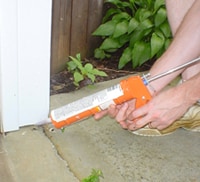
Person using caulk gun to seal holes on exterior of house

Seal Up!

Seal up holes inside and outside the home to keep rodents out.

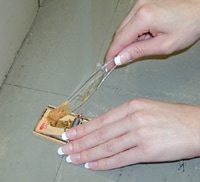
person baiting a snap trap with peanut butter

Trap Up!

Trap rodents around the home to help reduce the population.

various food containers with properly sealed lids

Clean Up!

Avoid illness: Take precautions before and while cleaning rodent-infested areas.


And for more information, the CDC offers a  16 page PDF  on Hantavirus, which is available on their Hantavirus Main page.


image

»» Read More

CDC Update Of Fungal Meningitis Cases

image


# 6717


The CDC - which now issues updates on Mondays, Wednesday, and Friday - indicates that 23 new cases of fungal infection from contaminated steroids have been identified since last Friday’s report (Monday was a Federal Holiday).


image

*451 cases of fungal meningitis, stroke due to presumed fungal meningitis, or other central nervous system-related infection meeting the outbreak case definition, plus 10 peripheral joint infections (e.g., knee, hip, shoulder, elbow). No deaths have been associated with peripheral joint infections.


The bulk of these newly identified cases (20) are listed as coming from Michigan, although no details are given.  A quick check of the Michigan Department of Health’s website still shows case counts current as of November 9th.


As of November 9, 2012, Michigan's case count associated with the Centers for Disease Control and Prevention multi-state meningitis investigation is 128 total cases and eight deaths [64 cases of meningitis, eight deaths*, 57 epidural abscess, one stroke and six joint infections].


Since these reports don’t tell us the date of onset of symptoms, we really can’t tell how many of these cases are `new’ in the past couple of weeks, and how many are older, but just now being identified. 


The assumption is that no contaminated steroids were administered to patients after the recall notice was announced in late September.


The danger of developing meningitis is believed greatest during the first six weeks after injection, so there is some hope that the number of new cases will begin to decline soon.


We’ve also seen reports of epidural abscesses and arachnoiditis among some of these patients. These are localized pockets of fungal infection that are slow to grow, difficult to identify, and even more difficult to treat.


The CDC updated their Frequently Asked Questions for Clinicians late last week, with the following information.

Epidural Abscess and Arachnoiditis

There have been media reports of spinal epidural abscesses and arachnoiditis among patients who received treatment for meningitis. What are these conditions and their symptoms?

CDC has received preliminary reports of spinal epidural abscesses and arachnoiditis occurring among a portion of patients undergoing treatment for fungal meningitis due to this outbreak. CDC does not know at this time how many patients developed these disorders or why they occurred.  Both conditions are rare but serious disorders in the general population that require prompt medical attention. 

  • A spinal epidural abscess is characterized by inflammation and a collection of pus around the spine. Spinal epidural abscesses sometimes result in swelling in the affected area (e.g., near the site where contaminated steroid mediation was injected).
    • Common symptoms can include fever, headache, back pain, and neurological problems (e.g., weakness, unusual changes in sensation)
  • Arachnoiditis is a disorder caused by the inflammation of the arachnoid, one of the membranes that surrounds and protects the nerves of the spinal cord. The condition can be caused by irritation from chemicals, infection, or direct injury to the spine.
    • Symptoms can include numbness, tingling, and a characteristic stinging and burning pain in the lower back or legs.  Some people with arachnoiditis may have debilitating muscle cramps, twitches, or spasms.  The condition may also affect the bladder, bowel, and sexual function.  In severe cases, arachnoiditis may cause paralysis of the lower limbs. 
    • For more information about arachnoiditis, see the National Institute of Neurological Disorders and Stroke’s website.


The emergence of these new syndromes linked to fungal tainted steroid injections adds yet another level of uncertainty for those who are waiting to see if they will develop symptoms.


And finally, the head of the embattled pharmacy that created and distributed these steroid products appeared before a congressional committee today, but declined to testify.   This from the Boston Globe.


Pharmacy head pleads Fifth at meningitis outbreak hearing

WASHINGTON Barry Cadden, the owner and director of the specialty pharmacy tied to deadly fungal meningitis outbreak declined to testify Wednesday morning before a congressional committee investigating the matter.

»» Read More

A Health Crisis In Slow Motion


image


# 6715


Although truly the miracle drugs of the 20th century, antibiotics are a fragile armamentarium, and over the past 70 years we’ve learned just how quickly bacteria can evolve to evade their antimicrobial effects.


Antimicrobial resistance is a huge and growing threat to public health – perhaps the greatest threat of all. 


Yet it is largely unappreciated by the public because its progression has been gradual, the loss of antibiotics incremental, and so far at least . . . there have always been replacement drugs available when an antibiotic has failed.


But the number of new antibiotics in the pipeline are desperately few, and the frequency of newly emerging resistant bugs has increased in recent years. 


Last March, the Director General of the World Health Organization, Margaret Chan - in a keynote address to the Conference on Combating Antimicrobial Resistance in Copenhagen - painted a bleak picture of the future of antibiotic availability if action is not taken.


The D-G’s entire remarks may be viewed on the WHO’s website at Antimicrobial resistance in the European Union and the world, but I’ve excerpted a few choice statements below.


If current trends continue unabated, the future is easy to predict. Some experts say we are moving back to the pre-antibiotic era. No. This will be a post-antibiotic era. In terms of new replacement antibiotics, the pipeline is virtually dry, especially for gram-negative bacteria. The cupboard is nearly bare.


<SNIP>


A post-antibiotic era means, in effect, an end to modern medicine as we know it. Things as common as strep throat or a child’s scratched knee could once again kill.


Some sophisticated interventions, like hip replacements, organ transplants, cancer chemotherapy, and care of preterm infants, would become far more difficult or even too dangerous to undertake.


This week (Nov. 12th-18th) marks the CDC’s fifth annual Get Smart About Antibiotics Week, which coincides with observances in many regions around the world, including  European Antibiotic Awareness Day, Australia's Antibiotic Awareness Week and Canada's Antibiotic Awareness Week.


The theme of this campaign is the smart usage of antibiotics, and educating the public on the fact that these drugs won’t cure a viral infection, and their overuse leads to resistance.  


image

Get Smart. Take a look at this chart to find out which upper respiratory infections are usually caused by viruses — germs that are not killed by antibiotics. Talk with your doctor about ways to feel better when you are sick. Ask what you should look for at home that might mean you are developing another infection for which antibiotics might be appropriate.


For some ideas about what to do for these types of illnesses without taking antibiotics, the CDC has a Symptom Relief webpage.


Still, many people expect an antibiotic when they go to their doctor with a respiratory infection (and many doctors continue to prescribe them).


Maryn McKenna has more on the public’s often errant perception of proper antibiotic use, and on highly divergent physician prescribing habits across the country. Follow the link to read:


The Persistence of Resistance And Some Reasons Why

  • By Maryn McKenna
  • November 13, 2012 |  


The `go to’ person on all things antibiotic resistant in the blogosphere is undoubtedly Maryn McKenna, author of Superbug: The Fatal Menace of MRSA and editor of the Superbug Blog. Both of which I highly recommend.


I, on occasion, do wade into the shallower depths of the antimicrobial pool in this blog. A few recent examples include:


EID Journal: Challenges To Defining TDR-TB
India: Still Looking For A Policy On Antibiotics
MMWR: NDM-1 Transmission In Rhode Island
ECDC Response Plan To Multi-Drug Resistant Gonorrhea
CDC Grand Rounds: Multidrug-Resistant Gonorrhea


The problems of antimicrobial resistance go far beyond the overuse, or misuse of antibiotics by the American public. Other threats include:


It will take a multi-pronged, international effort to slow the growth of antibiotic resistance. Agencies like the FDA, CDC, WHO, and ECDC are working towards finding solutions, but there are many competing interests and much bureaucratic red tape.


Progress is often slow. 


Other than supporting the wise use of antibiotics internationally, admittedly as individuals we can’t do much about the use of antibiotics in India, or on the farm, or sold over the internet.


But we can be smart about how we use these drugs. Part of the solution is not being part of the problem.


We either exercise proper stewardship over the remaining drugs we have (and hope that new ones can be developed) or we face a very grim future where minor infections - once easily defeated -  will once again claim millions of lives.

»» Read More

UK: Norovirus Season Starts Early

image

80% of Norovirus Outbreaks occur between November & April - Credit CDC 


# 6710


Whether you call it Norwalk or Norovirus – the more descriptive `Winter Vomiting Bug’, or the less accurate `stomach flu’  - the virus behind millions of cases of gastroenteritis each year can pack more misery into 72 hours than should be allowed by law.


Long the scourge of crowded institutions - like nursing homes, cruise ships, hospitals and schools - the virus also circulates readily in the community, taking advantage of low levels of human immunity and its ease of spread.


After exposure and a short incubation period (12-24 hours), the victim usually experiences nausea, frequent vomiting & diarrhea, and stomach pain – and may also experience headache, fever, and body aches.


The illness generally runs its course in 1 to 3 (very long) days, and most people recover.


But among those who are aged or infirmed, the virus can take a heavy toll. According to the CDC, each year the norovirus:


  • causes about 21 million cases of acute gastroenteritis (inflammation of the stomach or intestines or both)
  • contributes to about 70,000 hospitalizations and 800 deaths, mostly among young children and the elderly


Last month in JAMA, a study of 407 norovirus outbreaks across 308 nursing homes showed an 11% increase in fatalities during times when a facility was experiencing an outbreak.


JAMA. 2012 Oct 24;308(16):1668-75.

Hospitalizations and mortality associated with norovirus outbreaks in nursing homes, 2009-2010.

Trivedi TK, DeSalvo T, Lee L, Palumbo A, Moll M, Curns A, Hall AJ, Patel M, Parashar UD, Lopman BA.


A short (2 minute) video on this paper may be viewed below. Among their recommendations, it is important to identify an outbreak early, take preventative measures, and nursing staff who become infected should not return to work until at least 48 hours after their symptoms have abated.


Already this winter, I’m aware of a couple of outbreaks here in Central Florida, and in the post-hurricane Sandy recovery, we’ve media reports that Viral outbreak at Hurricane Sandy evacuation shelter shuts 3 Brooklyn schools.


And from the UK today,  reports that their `winter vomiting bug season’ has gotten off to an early start.


Stomach flu earlier, worse in Britain

Published: Nov. 11, 2012 at 12:35 AM

LONDON, Nov. 11 (UPI) -- Norovirus, or the stomach flu, is 27 percent higher in Britain than at the same time last year and six weeks earlier than usual, health officials say.

(Continue . . .)


Earlier this week, the HPA posted the following notice on their Syndromic Surveillance site, indicating reports of vomiting were elevated, suggesting `community-based norovirus activity’.


image


One of the keys to prevention is good hand hygiene.


Unfortunately, unlike with many other bacteria and viruses, alcohol gel doesn’t do a particularly good job of killing the virus, as we discussed last year in  CMAJ: Hand Sanitizers May Be `Suboptimal’ For Preventing Norovirus.


Which makes a good old fashion hand scrubbing with soap and water the best preventative.


The primary method of infection is via the fecal-oral route. The CDC describes it this way:


Norovirus and Food

Norovirus is a leading cause of disease from contaminated foods in the United States. Foods that are most commonly involved in foodborne norovirus outbreaks include leafy greens (such as lettuce), fresh fruits, and shellfish (such as oysters). However, any food item that is served raw or handled after being cooked can become contaminated with noroviruses.

Norovirus Spreads Quickly

Norovirus can spread quickly from person to person in crowded, closed places like long-term care facilities, daycare centers, schools, hotels, and cruise ships. Noroviruses can also be a major cause of gastroenteritis in restaurants and catered-meal settings if contaminated food is served.


The viruses are found in the vomit and stool of infected people. You can get it by

  • Eating food or drinking liquids that are contaminated with norovirus (someone gets stool or vomit on their hands, then touches food or drink).
  • Touching surfaces or objects contaminated with norovirus and then putting your hand or fingers in your mouth.
  • Having direct contact with a person who is infected with norovirus (for example, when caring for someone with norovirus or sharing foods or eating utensils with them).

People with norovirus illness are contagious from the moment they begin feeling sick until at least 3 days after they recover. But, some people may be contagious for even longer.


The role of direct aerosolized human-to-human transmission of norovirus remains a bit murky, although there are numerous anecdotal reports that suggest that it happens.


The CDC – in a an MMWR report from 2011 called Updated Norovirus Outbreak Management and Disease Prevention Guidelines describes transmission thusly:


Transmission

Norovirus is extremely contagious, with an estimated infectious dose as low as 18 viral particles (41), suggesting that approximately 5 billion infectious doses might be contained in each gram of feces during peak shedding. Humans are the only known reservoir for human norovirus infections, and transmission occurs by three general routes: person-to-person, foodborne, and waterborne.


Person-to-person transmission might occur directly through the fecal-oral route, by ingestion of aerosolized vomitus, or by indirect exposure via fomites or contaminated environmental surfaces.


The CDC recommends the following steps to protect yourself from the virus.


image


Good advice, but frankly - having already gone through at least one memorable bout with the virus - if I found myself caring for someone with Norovirus in my household, I’d take a few extra precautionary steps.


According to:


GUIDELINE FOR THE PREVENTION AND CONTROL OF NOROVIRUS GASTROENTERITIS OUTBREAKS IN HEALTHCARE SETTINGS

Taranisia MacCannell, PhD, MSc ; Craig A. Umscheid, MD, MSCE ; Rajender K. Agarwal, MD, MPH ; Ingi Lee, MD, MSCE ; Gretchen Kuntz, MSW, MSLIS ;Kurt B. Stevenson, MD, MPH 3 and the Healthcare Infection Control Practices Advisory Committee (HICPAC)

(EXCERPT)

PERSONAL PROTECTIVE EQUIPMENT

23. If norovirus infection is suspected, adherence to PPE use according to Contact and Standard Precautions is recommended for individuals entering the patient care area (i.e., gowns and gloves upon entry) to reduce the likelihood of exposure to infectious vomitus or fecal material.    (Category IB) (Key Question 1.C.4)

  
24. Use a surgical or procedure mask and eye protection or a full face shield if there is an anticipated risk of splashes to the face during the care of patients, particularly among those who are vomiting. (Category IB) (Key Question 3.C.2.a) 


25. More research is needed to evaluate the utility of implementing Universal Gloving (e.g., routine use of gloves for all patient care) during norovirus outbreaks. (No recommendation/unresolved issue) 


One of the reasons I keep a generous supply of exam gloves, and surgical (& N95) masks in my emergency kit. 


And finally, earlier this year in Norovirus Sequelae we looked at  a new study appearing in Clinical Infectious Diseases that found a link between norovirus infection and ongoing gastrointestinal complaints.


Researchers looked at the records of more than 1700 military personnel who were treated for AGE (acute gastroenteritis) during three known norovirus outbreaks.


By comparing them to controls, they determined that those with a history of AGE were at increased risk of developing chronic gastrointestinal disorders.


Since this was a fairly small study, and some variability was detected in outcomes across the three outbreaks studied, more research will be needed to confirm their findings and to determine how long these after effects may persist.


Still, this is one virus that you want to avoid catching, if at all possible.

»» Read More