Showing posts with label Update. Show all posts

WHO Coronavirus Update


Coronavirus

Photo Credit NIAID


# 6799


My thanks to Lisa Schnirring at CIDRAP NEWS for the head’s up this morning on the recently posted update by the World Health Organization on their ongoing investigation into the novel coronavirus.


While no new cases have been discovered, WHO investigators have delved deeper into the outbreak last April at a hospital in Zarqua, Jordan (including 8 healthcare workers) that resulted in two deaths.


(See ECDC Report and FluTrackers Thread)


Although there were two confirmed (fatal) infections by this coronavirus in the Jordanian cluster, a number of other pneumonia cases (and milder cases) are suspected. These cases suggest that limited human transmission of the virus may have occurred in this hospital setting. 


Unfortunately, testing for this virus is still very limited, and no serological test for antibodies (indicating prior infection) is currently available.


Interestingly, none of the cases in Jordan developed renal failure – which was a hallmark in 5 of the 7 cases reported over the summer. 


One of the confirmed Jordanian cases developed Pericarditis (inflammation of the sac around the heart) and another developed DIC (Disseminated intravascular coagulation).


The Jordanian cluster also suggests that milder cases of this infection may occur, although antibody testing will be needed in order to confirm that.


The entire update is worth reading.


Background and summary of novel coronavirus infection – as of 21 December 2012

Over the past three months, WHO has received reports of nine cases of human infection with a novel coronavirus. Coronaviruses are a large family of viruses; different members of this family cause illness in humans and animals. In humans, these illnesses range from the common cold to infection with Severe Acute Respiratory Syndrome (SARS) coronavirus (SARS CoV).


This summary provides the latest information on all reported cases and provides details of a WHO mission to Jordan, which has concluded since the last web update.


Thus far, the laboratory confirmed cases have been reported by Qatar (two cases), Saudi Arabia (five cases) and Jordan (two cases). All patients were severely ill, and five have died.


A total of five confirmed cases have been reported from Saudi Arabia. The first two are not linked to each other and lived in different parts of the country; one of these has died. Three other confirmed cases are epidemiologically linked and occurred in one family living within the same household; two of these have died. One additional family member in this household also became ill, with symptoms similar to those of the confirmed cases. This person has recovered and tested negative, by polymerase chain reaction (PCR) tests, for the virus.


Two confirmed cases have been reported in Jordan. Both of these patients have died. These cases were discovered through testing of stored samples from a cluster of pneumonia cases in health care workers that occurred in April 2012.


In November 2012 staff from WHO Headquarters and the Eastern Mediterranean Regional Office were invited to Jordan to assess severe acute respiratory infection (SARI) surveillance and infection prevention and control measures, and to review the April 2012 outbreak. The mission included hospital site visits, interviews with patients, relatives and caregivers, and review of case files. In addition to the two previously confirmed cases, a number of health care workers with pneumonia associated with the cases were also included in the review and are now considered probable case.

The main findings of this mission are:

  • The index case among this cluster could not be determined.
  • All patients had significant respiratory disease presenting as pneumonia. Disease was generally milder in the unconfirmed probable cases. One patient who is a probable case had symptoms that were mild enough to be managed at home and was not admitted to hospital.
  • No patient in this cluster had renal failure.
  • One patient presented with pneumonia and was discovered to also have pericarditis. This patient had laboratory confirmation of infection and has died.
  • A second patient developed disseminated intravascular coagulation as a complication of severe respiratory disease. This patient also had laboratory confirmation of infection and has died.
  • The method of exposure is uncertain.
  • There was no history of travel or contact with animals among confirmed or probable cases.

Most family members and health care workers who were closely exposed to confirmed and probable cases did not develop respiratory disease. However, the appearance of pneumonia in some who provided care and in at least two family members with direct personal contact increases the suspicion that person-to-person transmission may have occurred. The possibility of exposure to a common source has not been definitively excluded.

Further investigation with serological testing (when it becomes available) to confirm additional cases may help determine the types of exposures that result in infection.


The current understanding of this novel virus is that it can cause a severe, acute respiratory infection presenting as pneumonia. The additional unconfirmed probable cases in Jordan indicate that milder presentations may also be a part of the clinical appearance associated with infection. Acute renal failure has occurred in five of the nine confirmed cases but was not a prominent feature of the Jordanian cluster. In addition, pericarditis and disseminated intravascular coagulation have now been seen in two confirmed cases.


WHO recognizes that the emergence of a new coronavirus capable of causing severe disease raises concerns because of experience with SARS. Although this novel coronavirus is distantly related to the SARS CoV, they are different. Based on current information, it does not appear to transmit easily or sustainably between people, unlike the SARS virus.


WHO has closely monitored the situation since detection of the first case and has been working with partners to ensure a high degree of preparedness should the new virus be found to be sufficiently transmissible to cause community outbreaks. Some viruses are able to cause limited human-to-human transmission under condition of close contact, as occurs in families, but are not transmissible enough to cause larger community outbreaks.


Actions taken by WHO in coordination with national authorities and technical partners include the following:

  • Investigations are ongoing to determine the likely source of infection and the route of exposure. Close contacts of confirmed cases are being identified and followed up.
  • An interim surveillance recommendation has been updated to assist clinicians to determine which patients should undergo laboratory testing for the presence of novel coronavirus.
  • Laboratory assays for the virus have been developed. Reagents and other materials for testing are available, as are protocols, algorithms and reference laboratory services. WHO has activated its laboratory network to assist in testing and other services. WHO has now issued preliminary guidance for laboratory biorisk management.
  • The three affected countries either have already or are in the process of acquiring the capacity to test for the novel coronavirus in national laboratories and have enhanced their surveillance activities according to WHO guidance along with other countries in the area.
  • WHO has created a webpage for coronavirus infections, with guidance for surveillance, infection control, biorisk management, and laboratory testing, which can be found at: http://www.who.int/csr/disease/coronavirus_infections/en/index.html

Based on the current situation and available information:

  • WHO encourages all Member States to continue their surveillance for severe acute respiratory infections (SARI) and to carefully review any unusual patterns.
  • Further, testing for the new coronavirus of patients with unexplained pneumonias should be considered, especially in persons residing in or returning from the Arabian peninsula and neighboring countries. Any new cases should be promptly reported both to national health authorities and to WHO.
  • When collecting specimens for testing, priority should be given to collection of lower respiratory tract specimens such as sputa and endotracheal aspirates (for intubated patients).
  • In addition, any clusters of SARI or SARI in health care workers should be thoroughly investigated, regardless of where in the world they occur. These investigations will help determine whether the virus is distributed more widely in the human population beyond the three countries that have identified cases.
  • Health care workers should be advised to scrupulously adhere to standard infection control precautions for all patients. Droplet precautions should be added to standard precautions for any patient known or suspected to have an acute respiratory infection, including patients with suspected or confirmed infection with novel coronavirus. Airborne precautions should be used for aerosol-generating procedures, including intubation and related interventions. Details can be found on the website listed above.
  • WHO does not advise special screening at points of entry with regard to this event nor does it recommend that any travel or trade restrictions be applied.

WHO continues to monitor this situation closely. Unless information is received that changes our understanding of this virus and the disease it causes, the next web update is expected to be posted during the second week of January 2013.


»» Read More

WHO Coronavirus Updates

Coronavirus

Photo Credit NIAID


# 6760


While we have no indication of sustained community transmission, the emergence of a novel coronavirus in the Middle East that has infected at least 9 people (with another 9 either probable or suspected cases under investigation) since April, continues to capture the world’s public health agencies attentions.


The World Health Organization has updated two of their coronavirus documents; their coronavirus FAQ, and their interim surveillance recommendations.


Both are dated December 3rd, 2012.


First, the Frequently Asked Questions file, which has seen some minor modifications since the posting yesterday.


Frequently Asked Questions on novel coronavirus - update

3 December 2012

What is the novel coronavirus?

This is a new strain of coronavirus that has not been previously identified in humans.
Coronaviruses are a large family of viruses that are known to cause illness in humans and animals. In humans, this large family of viruses are known to cause illness ranging from the common cold to Severe Acute Respiratory Syndrome (SARS).

What are the symptoms of novel coronavirus?

In confirmed cases of illness in humans, common symptoms have been acute, serious respiratory illness with fever, cough, shortness of breath, and breathing difficulties. Based on current clinical experience, the infection generally presents as pneumonia. It has caused kidney failure and death in some cases. It is important to note that the current understanding of the illness caused by this infection is based on a limited number of cases and may change as more information becomes available.

Can it be transmitted from person to person?

This is not known with certainty at this time. The cases occurring in the same family raises the possibility of limited human-to-human transmission. Alternatively, it is possible that the infected family members were exposed to the same source of infection, for example, in a household or workplace.

How could I become infected with this virus?

To date, we do not know how humans have become infected with this virus. Investigations are underway to determine the virus source, types of exposure that lead to infection, mode of transmission and the clinical pattern and course of disease.

(Continue . . . )


The Interim surveillance recommendations have been reworded for clarity, but remain pretty much the same.


Interim surveillance recommendations for human infection with novel coronavirus

 
3 December 2012 
Update


Based on additional information received since the original surveillance recommendations were published, WHO is updating its guidance for surveillance. WHO will continue to update these recommendations as more information becomes available.

This document has been revised to emphasize the recommendations, rather than to summarize current
case reports. Current numbers and descriptions of reported cases are found at

http://www.who.int/csr/disease/coronavirus_infections/update_20121130/en/index.html.

The substance of the recommendations has not changed. Some wording has been changed for the sake of clarity. 


<SNIP>

The following should be carefully investigated and tested for novel coronavirus:

1.  Patients under investigation


A person with an acute respiratory infection, which may include history of fever or measured fever (≥ 38°C, 100.4°F) and cough

AND 


Suspicion of pulmonary parenchymal disease (e.g. pneumonia or Acute Respiratory Distress
Syndrome (ARDS)), based on clinical or radiological evidence of consolidation. 


AND

Residence in or history of travel to the Arabian Peninsula or neighboring countries within 10 days
before onset of illness. 

AND

Not already explained by any other infection or aetiology1 , including all clinically indicated tests
for community-acquired pneumonia according to local management guidelines. It is not necessary
to wait for all test results for other pathogens before testing for novel coronavirus.


2.  Ill contacts


Individuals with acute respiratory illness of any degree of severity who, within 10 days before onset of illness, were in close physical contact 2 with a confirmed or probable case of novel coronavirus infection, while the case was ill.


Any person who has had close contact with a probable or confirmed case while the probable or confirmed case was ill should be carefully monitored for the appearance of respiratory symptoms.


If symptoms develop within the first 10 days after contact, the individual should be considered a “patient under investigation”, regardless of the severity of illness, and investigated accordingly.

3.  Clusters


Any cluster 3 of severe acute respiratory infection (SARI) 4  , particularly clusters of patients requiring intensive care, without regard to place of residence or a history of travel


AND

Not already explained by any other infection or aetiology, including all clinically indicated tests
for community-acquired pneumonia according to local management guidelines.


4.  Health care workers 


Health care workers with pneumonia, who have been caring for patients with severe acute
respiratory infections, particularly patients requiring intensive care, without regard to place of
residence or history of travel. 

AND

Not already explained by any other infection or aetiology, including all clinically indicated tests
for community-acquired pneumonia according to local management guidelines.

-------------------------------------------------------------

1 Examples of other aetiologies include Streptococcus pneumoniae, Haemophilus influenzae type B, Legionella pneumophila, other recognized primary bacterial pneumonias, influenza, and respiratory syncytial virus.


2 Close contact is defined as: 

  • Anyone who provided care for the patient, including a health care worker or family member, or who had other
    similarly close physical contact;
  • Anyone who stayed at the same place (e.g. lived with, visited) as a probable or confirmed case while the case was ill.

3  A “cluster” is defined as two or more persons with SARI, with onset of symptoms within the same two-week period and who are associated with a specific setting, such as a classroom, workplace, household, extended family, hospital, other residential institution, military barracks or recreational camp.


4  Severe Acute Respiratory Infection (SARI) is defined as:   An acute respiratory infection with:

  • history of fever or measured fever of ≥ 38 C° (100.4°F) and cough;
  • onset within the last seven days; and
  • requiring hospitalization.


With the onset of winter finding individual coronavirus infections becomes more difficult against the background noise of seasonal ILIs (influenza-like-illness).


Mild cases – if they exist – are unlikely to be detected unless purely by chance. 


We’ve seen in H5N1 endemic countries that clusters of severe influenza or pneumonia immediately become suspect – and fodder for the local press - but most of the time have turned out to be something other than bird flu.


Given the concerns over this emerging virus, we should probably expect to see that pattern repeated here. 


The price we pay for vigilance against emerging diseases is the possibility of false alarms. 


Unless and until we start seeing a lot of lab confirmed cases coming out of these reports, it is probably best to take any preliminary (and often hyperbolic) news reports with a hefty grain of salt.

»» Read More

WHO Update On Marburg Outbreak In Uganda

image

Credit CDC PHIL

# 6735


The World Health Organization has updated the Marburg Virus outbreak situation in Uganda, with encouraging news that no new laboratory confirmed cases have been hospitalized since October 31st.


Marburg haemorrhagic fever in Uganda - update

23 November 2012 - As of 23 November 2012, a total of 20 (probable or confirmed) cases, including 9 deaths have been reported from4 districts in Uganda (Kabale, Ibanda, Mbarara, and Kampala).


The last confirmed case was hospitalised on 31 October 2012.


The Ministry of Health continues to conduct active surveillance and investigation on all cases alerted in the 4 districts. Close contacts of the Marburg cases are being followed-up for a period of 21 days.


WHO and international partners, including the US Centers for Disease Control and Prevention (CDC), the Uganda Red Cross (URCS), African Field Epidemiology Network (AFENET), Plan Uganda and Médecins Sans Frontières (MSF) are supporting the national authorities in the investigation and response to the outbreak. Experts have been deployed through the Global Outbreak Alert and Response Network (GOARN) to strengthen the field team.


Trainings are being provided to health professionals on infection prevention and control (IPC), and on field information management. Social mobilization activities are being conducted to raise awareness on prevention and control of Marburg haemorrhagic fever.


With respect to this outbreak, WHO does not recommend that any travel or trade restriction be applied to Uganda.


Earlier blogs on this outbreak include:

CDC Travelers’ Notice:The Ugandan Marburg outbreak
WHO Update: Marburg Virus In Uganda
Marburg Virus Reported In Western Uganda


Meanwhile, their second Ebola outbreak of the year (see Ugandan MOH Statement On New Ebola Outbreak) continues in the Luweero district, which is  located in the central part of the country.


Today the WHO posted this update:


Ebola in Uganda

23 November 2012 - As of 23 November 2012, the Ministry of Health (MoH) of Uganda has reported 10 cases (6 confirmed and 4 probable,), including 5 deaths in Luweero and Kampala.


The last confirmed case was hospitalised on 17 November 2012. Close contacts of the Ebola cases are being identified and followed up for a period of 21 days. All the cases alerted to the field teams are being investigated.


WHO and partners, including the US Centers for Disease Control and Prevention (CDC), Médecins Sans Frontières (MSF), the Uganda Red Cross (URCS), African Field Epidemiology Network (AFENET) and Plan Uganda are supporting the national authorities in the investigation and response to the outbreak.


Experts in the area of field epidemiology, health promotion, logistics management, and infection prevention and control , have been mobilized by WHO through the Global Outbreak Alert and Response Network (GOARN), to provide support to the response.


With respect to this event, WHO does not recommend that any travel or trade restriction be applied to Uganda.

»» Read More

WHO Announces Additional Coronavirus Cases

image

Coronavirus – Credit CDC PHIL


# 6734


No sooner did we learn of a new coronavirus case out of Germany this morning (see RKI: Another Coronavirus Case Treated In Germany), we get this update from the World Health Organization indicating at least 6 cases have now been identified and others are being tested.


We also have what may constitute the first epidemiologically linked cluster of cases, with four family members experiencing similar symptoms, with two of them dying. 


One of the family members, who is recovering, tested negative for the coronavirus, while two others were positive.  Test results are awaited on the fourth (fatal) case.


With a new virus, we don’t have much of a track record to establish the sensitivity of the tests, so a negative result may not truly be negative.  Obviously the mechanism of how this cluster came to be is of great interest, since we’ve heard repeated claims that there is no evidence of human-to-human spread.


This from the World Health Organization.


Novel coronavirus infection - update

23 November 2012 - WHO has been notified of four additional cases, including one death, due to infection with the novel coronavirus. The additional cases have been identified as part of the enhanced surveillance in Saudi Arabia (3 cases, including 1 death) and Qatar (1 case). This brings the total of laboratory confirmed cases to 6.


Investigations are ongoing in areas of epidemiology, clinical management, and virology, to look into the likely source of infection, the route of exposure, and the possibility of human-to-human transmission of the virus. Close contacts of the recently confirmed cases are being identified and followed-up.


So far, only the two most recently confirmed cases in Saudi Arabia are epidemiologically linked - they are from the same family, living in the same household. Preliminary investigations indicate that these 2 cases presented with similar symptoms of illness. One died and the other recovered.


Additionally, 2 other members of this family presented with similar symptoms of illness, where one died and the other is recovering. Laboratory results of the fatal case is pending, while the case that is recovering tested negative for the novel coronavirus.


WHO continues to work with the governments of Saudi Arabia, Qatar and other international health partners to gain a better understanding of the novel coronavirus and the disease in humans. Further epidemiological and scientific studies are needed to better understand the virus.


WHO encourages all Member States to continue their surveillance for severe acute respiratory infections (SARI) and is currently reviewing the case definition and other guidance related to the novel coronavirus. Until more information is available, it is prudent to consider that the virus is likely more widely distributed than just the two countries which have identified cases. Member States should consider testing of patients with unexplained pneumonias for the new coronavirus even in the absence of travel or other associations with the two affected countries. In addition, any clusters of SARI or SARI in health care workers should be thoroughly investigated regardless of where in the world they occur.


Of the 6 laboratory confirmed cases reported to WHO, 4 cases (including 2 deaths) are from Saudi Arabia and 2 cases are from Qatar.


Helen Branswell of the Canadian Press has just published a report on this latest development, which you can read at:


Four new cases of coronavirus infection: WHO

By Helen Branswell The Canadian Press

Share this Article

The World Health Organization says it has been informed of four additional infections with the new coronavirus, including two people in one family in Saudi Arabia.

(Continue . . .)

»» Read More

Dengue Update: Puerto Rico, Florida & The Americas


# 6702


While not reaching the levels we saw during their 2010 Dengue epidemic, Puerto Rico is once again seeing epidemic levels of the mosquito-borne virus, as evidenced by this latest chart from the CDC.  


image

As indicated by the red line, the number of cases over the past couple of weeks has been climbing like a homesick angel. 


Health Secretary Lorenzo Gonzalez of the Puerto Rico Health Department declared a Dengue epidemic on the island (PDF Link – in Spanish) in early October after six people died or the disease, two of them children.


This week, Florida also reported its third locally acquired Dengue case (see Another Central Florida dengue case confirmed) of 2012. This latest case was identified in Osceola County, and a fourth suspected case is being investigated.


While once a serious problem in Florida, through aggressive mosquito control efforts during the 1940s Dengue and Malaria were both eliminated from the Sunshine State – and remained so for nearly a half century.


In 2009 – for the first time in more than 50 years – we started to see a small number of locally acquired Dengue cases showing up in Key West (see MMWR: Dengue Fever In Key West), and in 2010 they totaled 65 cases in Key West and 1 each in Broward and Miami-Dade County.


The number of cases dropped in 2011, and have been low once again in 2012.


The concern is - with millions of visitors arriving each year, many from regions where these diseases are endemic – there are plenty of opportunities to re-introduce the virus.


The CDC’s MMWR in a report in May of 2010 on Locally Acquired Dengue in Key West, had this to say:


Cases of dengue in returning U.S. travelers have increased steadily during the past 20 years (8). Dengue is now the leading cause of acute febrile illness in U.S. travelers returning from the Caribbean, South America, and Asia (9).


Many of these travelers are still viremic upon return to the United States and potentially capable of introducing dengue virus into a community with competent mosquito vectors.


In truth, it may take many such introductions of Dengue or Malaria to an area before the right combination of weather, insect vectors, and ongoing transmission occur to enable it to get a foothold in a community.


But Florida’s latest Arbovirus Surveillance report lists more than 90 cases of Imported Dengue this year:


Ninety-four cases of dengue with onset in 2012 have been reported in individuals with travel history to a dengue endemic country in the two weeks prior to onset. Countries of origin were Brazil, Colombia, Cuba (21), Dominican Republic (9), Ecuador (4), El Salvador (2), Ghana, Guyana (2), Haiti (14), Honduras, India, Jamaica (17), Mexico (2), Nicaragua, Panama, Philippines, Puerto Rico (6), South Africa, Sri Lanka, St. Vincent, Suriname, Trinidad (4), and Turks & Caicos.

Counties reporting cases were Brevard (3), Broward (17), Collier, Duval (2), Hillsborough (4), Lee (2), Marion, Miami-Dade (36), Orange (12), Palm Beach (6), Pinellas (2), Polk, Sarasota (2), Seminole (3), and Volusia (2). Nine of the cases were reported in non-Florida residents.


The state has also reported more than 50 cases of Imported Malaria, although no locally acquired cases have been reported.


Fifty-three imported cases of malaria with onset in 2012 have been reported.  Countries of origin were: Afghanistan (2), Cameroon, Central African Republic, Colombia, Costa Rica, Ethiopia, Ghana (5), Guyana (2), Haiti (9), Honduras (3), India, Ivory Coast (3), Kenya, Liberia (2), Nigeria (8), Pakistan, Peru, Sierra Leone (2), South Africa, Sub Saharan Africa, Sudan, Togo, Uganda, Zambia, and multiple African countries (2).

Counties reporting cases were: Alachua, Brevard, Broward (8), Charlotte, Duval (6), Hillsborough (6), Lake (2), Leon, Manatee, Marion, Martin, Miami-Dade (7), Orange (5), Osceola (2), Palm Beach (4), Pinellas (3), Polk, Seminole, and Volusia. Five of the cases were reported in non-Florida residents.


A broader perspective comes from PAHO, who's Oct 31st update shows nearly 1 million cases of Dengue in the Americas this year.

image


An interactive map view of Dengue activity in the Americas, and around the world, can be seen via the CDC-Healthmap collaborative DengueMap.


image


Although the overall risk of contracting a mosquito-borne illness in Florida or Puerto Rico remains very small, reports of Dengue (along with West Nile, EEE, SLEV, and other rare arboviral threats) are reason enough that health departments continue to urge people to remember to follow the `5 D’s’:


image

»» Read More

CDC: Laboratory Test Results From Meningitis Outbreak


# 6687


Last night the CDC posted updated laboratory test results from patients - and un-opened vials of methylprednisolone produced by the New England Compounding Center  – as part of their investigation into a multi-state outbreak of fungal meningitis.


The latest numbers from this outbreak, as of 2pm yesterday, are:

image


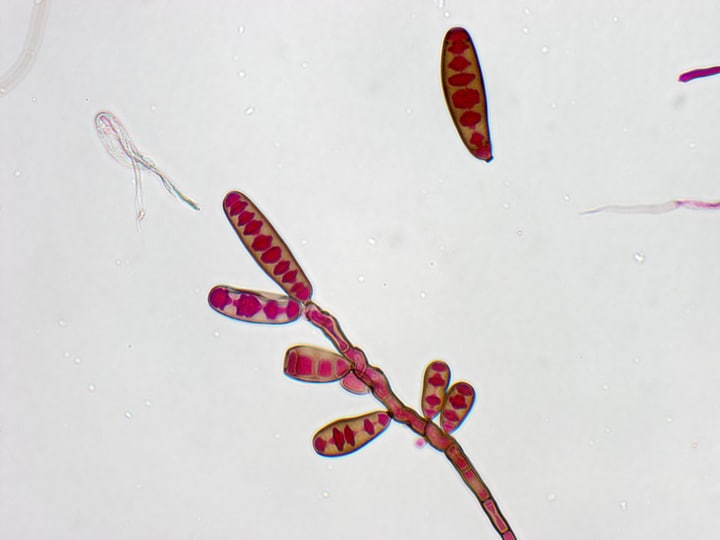
Lab tests have isolated Exserohilum rostratum in 52 of the 54 patients with CDC laboratory-confirmed fungal meningitis. Tests by the CDC and FDA have also found Exserohilum rostratum in unopened vials from two of the three recalled lots of injectable steroids produced by NECC.   Tests are pending on the third lot.


Here’s the complete CDC Update:


Laboratory Testing and Results from the Outbreak

October 31, 2012 6:00 PM EDT

CDC laboratory-confirmed results found on this page are from three New England Compounding Center (NECC) preservative-free methylprednisolone  acetate (MPA) lots recalled on September 26, 2012.(1)

CDC’s Fungus Reference Laboratory has the capacity and technology to examine fungal isolates under the microscope and to confirm their identification using DNA sequencing methods.

CDC scientist examines microscopic slides showing Exserohilum rostratum (on screen) during the multistate meningitis outbreak.

CDC's Fungus Reference Laboratory has the capacity and technology to examine fungal isolates under the microscope and to confirm their identification using DNA sequencing methods.

  • For the multistate outbreak, the fungus laboratory is working with the Clinical and Environmental Microbiology Branch, Division of Healthcare Quality Promotion, to detect and identify other microbial pathogens. In addition, the Infectious Diseases Pathology Branch, Division of High-Consequence Pathogens and Pathology, is examining tissues from biopsies and autopsy materials.
  • CDC and the states are testing tissue and fluid samples from patients with probable or confirmed fungal infection. CDC scientists are looking to see if the samples contain fungi and other microbial pathogens, and if so, what type.
  • In addition, FDA and CDC are testing vials of NECC preservative-free MPA to see if they contain fungi and other microbial pathogens and if so, what type.

CDC Laboratory Results

As of October 22, 2012, Exserohilum rostratum has been found in clinical specimens for all but two of the 54 patients with CDC laboratory-confirmed fungal meningitis who meet the confirmed case definition.(2)


Tests at CDC and FDA laboratories on the preservative-free MPA vials have confirmed the presence of the same fungus, Exserohilum rostratum, in unopened vials from two of the three recalled lots.(1) Testing on the third lot of preservative-free MPA is ongoing. These laboratory test results strengthen the link between preservative-free MPA vials and the outbreak.


The fungi found in both patients and in recalled vials are common in the environment but were not recognized as a cause of meningitis before this outbreak.

»» Read More

WHO Update: Marburg Virus In Uganda


image

Credit CDC PHIL


# 6684


The World Health Organization has updated the situation in Uganda, where authorities are dealing with a rare outbreak of Marburg virus.


The Marburg virus was first isolated after an outbreak at a lab in Germany (hence the name) imported via African Green Monkeys, but is normally found in parts of equatorial Africa.  It is closely related to the Ebola viruses, and is of the same family; Filoviridae.

Two weeks ago, in Marburg Virus Reported In Western Uganda, I recounted a bit of the history of the virus since it’s discovery in 1967.


As of now, there are 18 confirmed cases (9 deaths), and perhaps of most concern, cases have now been detected in 5 districtsKabale district, Kampala (the capital city), Ibanda, Mbarara and Kabarole.


Marburg haemorrhagic fever in Uganda - update

31 October 2012 - As of 28 October 2012, a total of 18 cases and 9 deaths, including a health worker, have been reported from 5 districts namely Kabale district, in south-western Uganda, Kampala (the capital city), Ibanda, Mbarara and Kabarole. The case fatality rate is 50%. The outbreak was declared by the Ministry of Health in Uganda on 19 October 2012. Blood samples from 9 cases have been confirmed for Marburg virus at the Uganda Virus Research Institute (UVRI).


Currently, 13 patients have been admitted to hospital (2 in Kampala, 8 in Kabale, 3 in Ibanda) and their contacts are listed for daily follow up. The latest confirmed case was admitted to Ibanda district isolation ward on 26 October 2012.


The World Health Organization (WHO) and international partners including, the Centers for Disease Control and Prevention (CDC), the Uganda Red Cross (URCS), African Field Epidemiology Network (AFENET) and Médecins-Sans-Frontières (MSF) are supporting the national authorities in outbreak investigation and response. The national task force has identified additional health care workers and epidemiologists to strengthen the teams in the field. Training of health workers on infection prevention and control, surveillance and clinical case management is ongoing. Social mobilization activities are being conducted which include the dissemination of IEC (Information Education Communication) material, sensitization on Marburg prevention and control and broadcast of information through radio channels. The first shipment of personal protective equipment (PPE) provided by WHO arrived over the weekend.


The WHO Regional office has deployed an epidemiologist and a logistician to Uganda to support the response teams on the ground. In addition, a social mobilization expert from WHO Zambia Country Office and a logistician from the Regional Rapid Response Team network have been mobilized for immediate deployment. More experts are being identified by the Global Outbreak Alert and Response Network (GOARN).


As the investigation into the outbreak continues, WHO and partners continue to support the national authorities as needed in the areas of coordination, infection prevention and control, surveillance, epidemiology, public information and social mobilization, anthropological analysis and logistics for outbreak response.


Neighbouring countries have been contacted to strengthen cross border surveillance and preparedness to prevent cross border spread of the outbreak.


WHO advises that there is no need for any restrictions on travel or trade with Uganda.

»» Read More

Sandy Strengthens Overnight

image


# 6674


As predicted by the National Hurricane Center in  Miami, Sandy’s barometric pressure has dropped to an astonishing 946 millibars and its winds have increased to 85MPH, as it moves north at 15 mph.


Although a hurricane at present, Sandy is expected to transition into a post-tropical storm later today as it merges with a trough from the west and cold Arctic air.  


This transition will not diminish the storm’s impact, which is expected to be experienced over a wide area.


This from the 5am Advisory on Hurricane Sandy.


BULLETIN
HURRICANE SANDY ADVISORY NUMBER  28
NWS NATIONAL HURRICANE CENTER MIAMI FL       AL182012 500 AM EDT MON OCT 29 2012

...SANDY STRENGTHENS...EXPECTED TO BRING LIFE-THREATENING STORM SURGE...COASTAL HURRICANE WINDS AND HEAVY APPALACHIAN SNOWS...

SUMMARY OF 500 AM EDT...0900 UTC...INFORMATION
----------------------------------------------
LOCATION...35.9N 70.5W
ABOUT 285 MI...460 KM E OF CAPE HATTERAS NORTH CAROLINA
ABOUT 385 MI...615 KM SSE OF NEW YORK CITY
MAXIMUM SUSTAINED WINDS...85 MPH...140 KM/H
PRESENT MOVEMENT...N OR 360 DEGREES AT 15 MPH...24 KM/H
MINIMUM CENTRAL PRESSURE...946 MB...27.94 INCHES


image 


Local radio & TV stations are streaming coverage over the Internet, including:


Watch Live: Hurricane Sandy Coverage – NBC NYC


Live storm coverage from Eyewitness News – ABC NYC

WINS 1010  News Radio 

»» Read More

CDC Fungal Meningitis Update – Oct. 26th

image


# 6668


The CDC has posted Friday’s update on the number of cases, and deaths, associated with contaminated steroid injections produced by a Massachusetts compounding pharmacy. 

image


The highest risk period according to the CDC is within the first 6 weeks following injection. Since the suspect lots of steroids were identified and recalled a month ago, it is hoped the number of new cases will begin to decline in the next few weeks.  


That said, no one knows for sure how long before a person can be declared `out of the woods’


During a similar incident in 2002, one case did not develop signs of infection until nearly 6 months after exposure (see Revisiting An Earlier Fungal Meningitis Outbreak).


The CDC breaks down today’s numbers:

image

331 cases of fungal meningitis, stroke due to presumed fungal meningitis, or other central nervous system-related infection meeting the outbreak case definition, plus 7 peripheral joint infections (e.g., knee, hip, shoulder, elbow). No deaths have been associated with peripheral joint infections.


For more details on the ongoing investigation, and clinical and patient guidance documents, you can visit the CDC’s website:


Multistate Fungal Meningitis Outbreak Investigation

»» Read More

DVBID: West Nile Cases Continue To Mount

image


# 6659


While the peak in transmission of the West Nile Virus probably occurred more than a month ago, cases – and fatality reports – continue to come in at a near-record pace. 


This is not entirely unexpected, given the incubation time for the virus (2-15 days), delays in processing local and state reports, and the reality that some patients may succumb after weeks or even months of treatment.


Today’s update from the CDC’s DVBID summarizes the latest numbers below:


2012 West Nile virus update: October 23

As of October 23, 2012, 48 states have reported West Nile virus infections in people, birds, or mosquitoes. A total of 4,725 cases of West Nile virus disease in people, including 219 deaths, have been reported to CDC. Of these, 2,413 (51%) were classified as neuroinvasive disease (such as meningitis or encephalitis) and 2,312 (49%) were classified as non-neuroinvasive disease.


The 4,725 cases reported thus far in 2012 is the highest number of West Nile virus disease cases reported to CDC through the fourth week in October since 2003. Almost 70 percent of the cases have been reported from eight states (Texas, California, Louisiana, Mississippi, Illinois, South Dakota, Michigan, and Oklahoma) and over a third of all cases have been reported from Texas.


The 20% increase in deaths – up from 183 last week, to 219 this week - is indicative of fatality reports being a lagging indicator.


In contrast, the number of new neuroinvasive cases rose only by 120, or about 5%.  Perhaps a sign that the number of new cases is beginning to decline.  


Neuroinvasive cases (which present with meningitis, encephalitis, or flaccid Paralysis) are severe enough that they result in hospitalization and diagnosis, and so they are considered the best indicator of the scope of each year’s epidemic.


Mild cases – called West Nile Fever – often go undiagnosed, with probably only 2%-3% being identified.


The states hardest hit by the neuroinvasive illness continue to center around the middle of the country, with Texas accounting for roughly 1/3rd of all of the serious WNV infections (n=742) in the nation.


image


Even though cooler fall weather has reduced mosquito activity across much of the country - with no vaccine, and the virus now endemic across much of the country - health departments continue to urge people to follow the `5 D’s’ of protection anytime mosquitoes may be active:


image

»» Read More

CDC HAN Advisory & Updates On Fungal Meningitis


image

*304 cases of fungal meningitis, stroke due to presumed fungal meningitis, or other central nervous system-related infection meeting the outbreak case definition, plus 4 peripheral joint infections (e.g., knee, hip, shoulder, elbow). No deaths have been associated with peripheral joint infections.


# 6658


Proof this morning that they are burning the midnight oil over at the CDC - as they issued no fewer than seven updates on the fungal meningitis outbreak at 11pm last night – including an updated HAN Advisory.


Six of the seven are guidance documents are designed for practitioners treating exposed, or infected, patients, while the final one is an updated Q&A for patients.


NEW: Health Alert Network (HAN) - Oct 23, 2012 Tuesday, October 23, 2012 11:00 PM


UPDATE: Interim Treatment Guidance for Central Nervous System (CNS) and Parameningeal Infections Associated with Injection of Contaminated Steroid Products Tuesday, October 23, 2012 11:00 PM


UPDATE: Interim Treatment Guidance for Osteoarticular Infections Associated With Injection of Contaminated Steroid Products Tuesday, October 23, 2012 11:00 PM


UPDATE: Interim Guidance for Management of Asymptomatic Persons Exposed to Potentially Contaminated Steroid Products Tuesday, October 23, 2012 11:00 PM


NEW: Guidance on Management of Asymptomatic Patients Who Received Epidural or Paraspinal Injections with Contaminated Steroid Products Tuesday, October 23, 2012 11:00 PM


UPDATE: Frequently Asked Questions for Clinicians: Multistate Fungal Meningitis Outbreak Investigation Tuesday, October 23, 2012 11:00 PM


UPDATE: Frequently Asked Questions for Patients: Multistate Fungal Meningitis Outbreak Investigation Tuesday, October 23, 2012 11:00 PM


The stickiest issue for the CDC, patients, and physicians has been whether to institute some kind of prophylactic anti-fungal treatment in those who have been exposed, but are thus far asymptomatic.


And if the drugs needed were well tolerated, and plentiful in supply, that might be an option.


But the truth is, taking these anti-fungal drugs is not without risk, as they have been linked to liver, heart, and kidney damage. 


Simply put, they are not something you’d want to take for several months, unless you had to.


And there are also concerns that there may not be sufficient supply of these drugs to provide prophylactic treatment to 14,000 patients.


So far, of the 14,000 patients believed exposed, just 2.2 % have developed symptoms.


While that number will likely rise, the CDC believes that patients who have gone more than 42 days since their last injection without showing signs of illness are at a substantially reduced risk of developing meningitis.


Therefore the CDC continues to advise against prophylactic treatment of asymptomatic individuals who may have been exposed.  


This excerpt from last night’s HAN advisory.


October 23, 2012, 22:00 ET (10:00 PM ET)
CDCHAN-00330-2012-10-23-UPD-N

Issuance of Guidance on Management of Asymptomatic Patients Who Received Epidural or Paraspinal Injections with Contaminated Steroid Products

CDC analysis suggests that the period of greatest risk for development of fungal meningitis among patients who received epidural or paraspinal injections with contaminated products1 is during the first 6 weeks (42 days) after injection; therefore, additional monitoring of these patients should be considered. Accordingly, CDC provides guidance for asymptomatic patients who received epidural or paraspinal injections with contaminated steroid product1 within the last 6 weeks (42 days), and those who received such products longer than 6 weeks (42 days) ago. For specific details about the updated guidance, see Guidance on Management of Asymptomatic Patients Who Received Epidural or Paraspinal Injections with Contaminated Steroid Products.


As stated above, CDC does not recommend initiation of antifungal treatment in the absence of diagnostic test results indicating fungal meningitis in exposed patients who are asymptomatic. Currently available data do not suggest an added benefit to this approach in comparison to the strategies outlined in the updated guidance, and patients may experience serious adverse drug events associated with treatment.

(Continue . . . )


Watchful waiting is always difficult, particularly when you are dealing with a potentially fatal condition. But sometimes it really is the lesser of two evils.


Patients who go more than 42 days without developing symptoms are believed to be at reduced risk of illness - but as we saw last week (see Revisiting An Earlier Fungal Meningitis Outbreak) during a similar outbreak 10 years ago in South Carolina - infections cropped up as much as six months post-exposure.


All of which means that this story, and the ordeal for those exposed, isn’t likely to be over anytime soon.

»» Read More

WHO Update on Marburg Virus In Uganda


# 6653


The World Health Organization has posted a brief update on the Marburg virus outbreak in Uganda, which I blogged about on Friday (see Marburg Virus Reported In Western Uganda).


Marburg haemorrhagic fever in Uganda - update

22 October 2012 - As of 21 October 2012, nine (9) probable and confirmed cases, including 5 deaths have been reported with Marburg haemorrhagic fever in Kitumba sub-county, Kabale district in South-western Uganda. Of these, 3 have been laboratory confirmed by the Uganda Virus Research Institute (UVRI).


An investigation into the outbreak is ongoing. Preliminary investigations indicate that all these cases belong to the same cluster – family and relatives of the index case.


WHO is supporting the Ministry of Health and partners in controlling the outbreak.


Marburg virus - like its better known cousins the Ebola viruses – produce hemorrhagic fevers with a high fatality rate. 

image


The natural host for the Marburg virus is believed to be fruit bats of the Pteropodidae family, which can pass the virus on to other intermediate hosts, or directly to humans.


The red areas of the map above show the areas where Marburg is found in Africa, while the purple outline shows the range of the Pteropodidae fruit bat.


While most cases have occurred in central Africa, a few cases have been exported, via humans or lab animals, to other regions.  The first known outbreak (in 1967) occurred at a laboratory working with green monkeys from Uganda in Marburg, Germany. 


For more on the Marburg Virus, including narratives of previous outbreaks,  you may wish to visit the WHO’s Marburg Resources page.


Information resources

»» Read More

CDC Fungal Meningitis Update – Oct 22nd

image

# 6652


While there are no additions or changes to guidance documents posted on the CDC’s Meningitis website today, the CDC has updated the number of cases, and deaths, associated with the Multistate Fungal Meningitis outbreak.

 image


image

*294 cases of fungal meningitis, stroke due to presumed fungal meningitis, or other central nervous system-related infection meeting the outbreak case definition, plus 3 peripheral joint infections (e.g., knee, hip, shoulder, elbow). No deaths have been associated with peripheral joint infections.


Numbers are changing by the hour, as evidenced by this press release from the state of Florida earlier today adding another case to their total (n=18), a 55 year old man who received treatment at pain clinic in Escambia county.  This from the Florida DOH.


10.22.12 - Florida Fungal Meningitis Cases Total Eighteen


A finally, as you might expect - with 23 deaths and hundreds of serious injuries - lawsuits are being filed on behalf of many who received these injections. 


For now, the compounding pharmacy that shipped the injectable steroids (NECC) is being named as the sole defendant, but others may be included later.


This from the Wall Street Journal.


Lawsuits Mount as Meningitis Deaths Rise

By THOMAS M. BURTON

The compounding pharmacy at the center of a deadly meningitis outbreak is facing a wave of lawsuits from patients who received steroid injections made by the pharmacy.


At least 10 lawsuits, including one seeking class action status, have been filed against the New England Compounding Center of Framingham, Mass. Scores more plaintiffs have retained attorneys to commence litigation.

(Continue. . . )

»» Read More

CDC Fungal Meningitis Update – Oct 19th

image


# 6648


The latest case counts have been posted by the CDC, and today they are reporting 14 additional cases, and another fatality.


image 


*268 cases of fungal meningitis, stroke due to presumed fungal meningitis, or other central nervous system-related infection meeting the outbreak case definition, plus 3 peripheral joint infections (e.g., knee, hip, shoulder, elbow). No deaths have been associated with peripheral joint infections.


The CDC has also updated some guidance documents since yesterday’s case count, and has posted the audio of Tuesday’s COCA (Clinician Outreach and Communication Activity) call on the outbreak.


The COCA call featured briefings by and Q&A with:

Multistate Fungal Meningitis Outbreak Investigation Update: Information and Guidance for Clinicians

Presenter(s):

Melissa K. Schaefer, MD
Medical Officer
Division of Healthcare Quality Promotion
National Center for Emerging and Zoonotic Infectious Diseases
Centers for Disease and Control and Prevention

Tom Chiller, MD, MPH
Medical Epidemiologist
Division of Foodborne, Waterborne & Environmental Diseases
National Center for Emerging and Zoonotic Infectious Diseases
Centers for Disease and Control and Prevention

Peter G. Pappas, MD
Professor of Medicine
Division of Infectious Disease
Department of Medicine
University of Alabama at Birmingham 

Overview:

The Centers for Disease Control and Prevention (CDC) and the Food and Drug Administration (FDA) continue to work closely with state public health departments on a multistate investigation of fungal meningitis among patients who received an epidural steroid injection. These cases are associated with a potentially contaminated steroid medication prepared by New England Compounding Center (NECC), located in Framingham, Mass. During this COCA Call, subject matter experts will provide updates to the current epidemiology of the outbreak, describe clinical presentation and features of fungal meningitis, and review CDC’s recommended treatment guidance.


AUDIO File and TRANSCRIPT available at this link.

»» Read More

FDA: Exserohilum Found In Unopened Vials Of NECC Methylprednisolone


# 6645


An update this afternoon (h/t Catbird on FluTrackers) from the FDA indicating that tests have confirmed the presence of Exserohilum rostratum in unopened vials of methylprednisolone acetate prepared by the New England Compounding Center (NECC).


Update on Fungal Meningitis

[10-18-2012] CDC and FDA have confirmed the presence of a fungus known as Exserohilum rostratumin unopened medication vials of preservative-free methylprednisolone acetate (80mg/ml) from one of the three implicated lots from NECC (Lot #08102012@51, BUD 2/6/2013).  The laboratory confirmation further links steroid injections from these lots from NECC to the multistate outbreak of fungal meningitis and joint infections.  Testing on the other two implicated lots of methylprednisolone acetate and other NECC injectables continues.


CDC and state health departments estimate that approximately 14,000 patients may have received injections with medication from three implicated lots of methylprednisolone and nearly 97% of these patients have been contacted for further follow-up.


Clinicians are also requested to report any suspected adverse events following use of these products to FDA's MedWatch program at 1-800-332-1088 or www.fda.gov/medwatch.


Health care professionals and patients may dial FDA’s Drug Information Line at 855-543-DRUG (3784) and press * to get the most recent information regarding the meningitis recall and speak directly to a pharmacist.

»» Read More

CDC Fungal Meningitis Update – Oct 18th

image

# 6644


The CDC has posted their latest update on the multistate fungal meningitis outbreak, citing ten new cases and one fatality since yesterday. New York is the latest addition to the list of states reporting cases.

image

image

*254 cases of fungal meningitis, stroke due to presumed fungal meningitis, or other central nervous system-related infection meeting the outbreak case definition, plus 3 peripheral joint infections (e.g., knee, hip, shoulder, elbow). No deaths have been associated with peripheral joint infections.


For detailed clinical findings of one of the index cases, published yesterday in the Annals of Internal Medicine, see :


Detailed Report On Fatal Meningitis Case

»» Read More

CDC Fungal Meningitis Update – Oct 17th

image


# 6640


The CDC updated their case counts for the multistate steroid-injection-related fungal meningitis outbreak this afternoon, showing 14 new cases diagnosed and 4 additional deaths.


image


*245 cases of fungal meningitis, stroke due to presumed fungal meningitis, or other central nervous system-related infection meeting the outbreak case definition, plus 2 peripheral joint infections (e.g., knee, hip, shoulder, elbow). No deaths have been associated with peripheral joint infections.


image


While there aren’t any new clinical or patient guidance docs posted on the CDC site today, we are seeing press announcements coming from individual State Health Departments around the nation, including:


Florida

FOR IMMEDIATE RELEASE      October 17, 2012          

FLORIDA CONFIRMS THIRD DEATH IN MENINGITIS OUTBREAK

TALLAHASSEE – The Florida Department of Health (DOH) has confirmed a third death as a result of the fungal meningitis outbreak associated with contaminated steroids.  

Idaho

Health officials contact Idaho clinics about possible infections related to expanded meningitis investigation


posted on October 16, 2012 16:47

The Idaho Division of Public Health is contacting nine Idaho medical facilities that may have received injectable drugs from New England Compounding Center (NECC) since May 2012 that could pose a potential risk for infection or meningitis. The nine clinics are being urged to contact their patients who may have received injections to make certain they do not have symptoms of infection and to report any new symptoms.

Massachusetts

For Immediate release - October 16, 2012

Statement of Dr. Madeleine Biondolillo, Director of the Bureau for Health Care Safety and Quality at the Massachusetts Department of Public Health on October 15, 2012 regarding the ongoing NECC investigation

“As part of our comprehensive response, DPH secured a recall of all NECC products and a surrender of the company’s license to operate immediately following the outbreak. We worked with our partners in the FDA and CDC to promptly notify all providers that they should isolate and remove all NECC products from their supply. Today FDA advised out of an abundance of caution that patients who have received any injectable products from NECC should be notified of the potential risk of infection. DPH is working to promptly conduct notifications with providers in Massachusetts now. The FDA has not confirmed that additional meningitis cases are connected to other NECC products at this point, and the investigation is ongoing. There are no known cases of fungal meningitis in the Commonwealth.”

Minnesota

Health officials contacting clinics in state to urge them to contact patients who received other NECC drugs possibly associated with fungal infections

129 clinics received the products

»» Read More