Showing posts with label FDA. Show all posts

CDC HAN Update On Fungal Meningitis Outbreak

image 

Photo Credit FDA

# 6796


While the number of new meningitis cases linked to contaminated steroid injectables produced by NECC have slowed in recent weeks after their recall in late September, the number of slower-to-develop  paraspinal/spinal & peripheral joint (site of injections) infections continues to rise.


image 


In many cases, the symptoms of fungal infection are subtle - and since these patients (by definition) already had joint/spinal pain when they received these injections - it isn’t always easy to identify patients who develop pockets of these slow growing organisms.


The CDC, in reviewing diagnostic imaging of a number of patients who received these injections, has determined that there may be a substantial number of as-yet unrecognized infections out there. 


So today they have issued a HAN Health Update.


December 20, 2012, 11:55 ET (11:55 AM ET)
CDC HAN-0338-2012-12-20-U-N

Update: Multistate Outbreak of Fungal Infections among Persons Who Received Injections with Contaminated Medication

Summary
New information from diagnostic imaging of patients exposed to contaminated methylprednisolone acetate (MPA1) from the New England Compounding Center (NECC) in Framingham, Mass., demonstrates the need for assertive clinical evaluation of these patients for the possibility of an unrecognized, localized spinal or paraspinal infection. This Health Alert Network (HAN) notice provides updated guidance and information about the ongoing multistate outbreak of fungal infections as follows:

  • CDC and state partners have analyzed new preliminary data based on recent Magnetic Resonance Imaging (MRI) studies among patients who had spinal or paraspinal injection with contaminated MPA from NECC. These findings demonstrate that among patients with no previous evidence of infection, and with new or worsening symptoms at or near the site of their injection, more than 50% had findings suggestive of a localized spinal or paraspinal infection, including epidural abscess, phlegmon, arachnoiditis, discitis, or vertebral osteomyelitis.
  • This new information suggests that some patients who received spinal or paraspinal injections with implicated MPA from NECC may currently have an unrecognized, localized spinal or paraspinal infection.
  • CDC is therefore re-emphasizing the guidance from the November 20 HAN advisory that recommended clinicians remain vigilant for evidence of fungal infection in these patients and use an assertive approach for clinical management and follow-up of these patients. CDC continues to recommend MRI with contrast of the symptomatic area(s) in patients with new or worsening symptoms at or near their injection site following spinal or paraspinal injection of implicated MPA.
  • In addition, CDC is recommending that clinicians should consider obtaining an MRI with contrast of the injection site in patients with persistent but baseline symptoms because the presentation of these spinal or paraspinal infections can be subtle and difficult to distinguish from a patient’s baseline chronic pain.


(Continue . . .)


The CDC’s Health Alert Network (HAN) is designed to ensure that communities, agencies, health care professionals, and the general public are able to receive timely information on important public health issues.


You can sign up for HAN messages, and scores of other CDC and HHS email notifications, by going to the CDC - Quick Subscribe GovDelivery page.


There are 4 types of HAN releases, starting from the highest priority to the lowest.

  • Health Alert - Conveys the highest level of importance; warrants immediate action or attention.
  • Health Advisory - Provides important information for a specific incident or situation; may not require immediate action.
  • Health Update - Provides updated information regarding an incident or situation; unlikely to require immediate action.
  • Info Service -Provides general information that is not necessarily considered to be of an emergent nature.


Complicating matters, last week the FDA updated their list of contaminates detected in injectable drugs produced by this compounding pharmacy.


Laboratory Testing and Results


[12-12-2012] FDA and CDC have identified bacterial and/or fungal contamination in unopened vials of betamethasone, cardioplegia, and triamcinolone solutions distributed and recalled from NECC. These include bacteria known as Bacillus, and fungal species including Aspergillus tubingensis,  Aspergillus fumigatus,  Cladosporium species,and Penicillium species.

Although rare, some of the identified Bacillus species can be human pathogens.  Some of the fungal organisms identified, particularly Aspergillus fumigatus, are known to cause disease in humans.  It is not known how product contamination with these organisms could affect patients clinically.

 image

»» Read More

FDA: Ameridose Announces Voluntary Recall Of All Products

image

Photo Credit CDC


# 6685


Ameridose, a sister company to the New England Compounding Center (NECC) – the pharmacy at the center of investigation involving contaminated steroid products – has announced a voluntary recall of all of their products as their facilities are coming under review by the FDA.


The FDA reassures that - This recall is not based on reports of patients with infections associated with any of Ameridose’s products, and the agency recommended this recall out of an abundance of caution.


The company posted a carefully worded announcement on their website earlier today:


Ameridose Issues Recall of All Products

Contact:
Consumer:
888-820-0622
amdservice@ameridose.com

FOR IMMEDIATE RELEASE - October 31, 2012 - Ameridose today announced it will commence a voluntary recall of any unexpired products remaining in circulation. This action is voluntary, and represents an expansion of our cooperation with the U.S.Food and Drug Administration and the Massachusetts Board of Registration in Pharmacy.


During the course of its on-going inspection of our facility, FDA has notified Ameridose that it will be seeking improvements in Ameridose’s sterility testing process.  Ameridose and FDA agree that the use of injectible products that are not sterile can represent a serious hazard to health and could lead to life-threatening injuries and/or death.

(Continue . . .)


The first sentence in the second paragraph of their press release, which reads . . .


During the course of its on-going inspection of our facility, FDA has notified Ameridose that it will be seeking improvements in Ameridose’s sterility testing process.


. . .  is apparently their interpretation of the FDA’s assessment from below, which states:


FDA’s preliminary findings have raised concerns about a lack of sterility assurance for products produced at and distributed by this facility.


Without comment, I'll also mention that both parties managed to agree that injecting non-sterile products is generally a bad idea, and represents a - `serious hazard to health and could lead to life-threatening injuries and/or death’.


Moving on.   Here is the FDA’s statement in its entirety.


    FDA NEWS RELEASE

For Immediate Release: Oct. 31, 2012
Media Inquiries: Sarah Clark-Lynn, 301-796-9110,
sarah.clark-lynn@fda.hhs.gov
Consumer Inquiries: 888-INFO-FDA

FDA reports voluntary recall of all Ameridose drug products

The U.S. Food and Drug Administration announced today that Ameridose, LLC, based in Westborough, Mass., is voluntarily recalling all of its unexpired products in circulation. Products from Ameridose can be identified by markings that indicate Ameridose by name or by its company logo . A complete list of all products subject to this recall can be accessed at www.ameridose.com .

 
The FDA is currently conducting an inspection of Ameridose’s facility. Although this inspection is ongoing, the FDA’s preliminary findings have raised concerns about a lack of sterility assurance for products produced at and distributed by this facility. Use of non-sterile injectable products can represent a serious hazard to health that could lead to life-threatening injuries. Most products produced at and distributed by this facility are represented by Ameridose to be sterile products. Ameridose entered into a voluntary agreement with the Massachusetts Board of Registration in Pharmacy to cease all pharmacy and manufacturing operations starting on Oct. 10, 2012.


This recall is not based on reports of patients with infections associated with any of Ameridose’s products, and the agency recommended this recall out of an abundance of caution. Therefore, at this time, the FDA is also recommending that health care professionals do not need to follow up with patients who received Ameridose products. Health care professionals should stop using Ameridose products at this time, and return them to the firm.


Hospitals, clinics, health care professionals, and other customers with Ameridose products on hand should contact Ameridose at 888-820-0622 to obtain instructions on how to return products to Ameridose.


“The FDA’s top priority is to ensure that drugs are safe for the American public,” said FDA Commissioner Margaret A. Hamburg, M.D.


Together with the State of Massachusetts, the FDA commenced the current inspection of the Ameridose facility as part of the agency’s ongoing fungal meningitis outbreak investigation. Ameridose is a company sharing common management by the same parties as New England Compounding Center (NECC) of Framingham, Mass., the firm associated with compounded drugs linked to the ongoing fungal meningitis outbreak.


“Because the preliminary results of the FDA’s inspection raise concerns about the sterility assurance of Ameridose’s products, the FDA is advising health care professionals to stop using all Ameridose products and follow the recall procedures provided by the firm,” explained Janet Woodcock, M.D., director of FDA’s Center for Drug Evaluation and Research.


The FDA has identified some Ameridose products that currently appear on the critical shortage list. These products were in shortage before the Ameridose recall, but supplies may be further affected as a result of the Ameridose recall. The FDA is working with alternative manufacturers to maintain supplies of these life-saving drugs.


“The agency is taking all steps within its authority to help prevent or alleviate shortage situations and to minimize the impact this recall may have on drug supplies,” added Commissioner Hamburg.


As new information becomes available, the FDA will issue additional public communications.


Health care professionals and patients may dial the FDA’s Drug Information Line at 855-543-DRUG (3784) and press * to get the most recent information regarding the Ameridose recall and speak directly to a pharmacist.


The FDA asks health care professionals and consumers to report any adverse reactions to the FDA’s MedWatch Program by fax at 800-FDA-0178, by mail at MedWatch, FDA, 5600 Fishers Lane, Rockville, MD 20852-9787, or on the MedWatch website at www.fda.gov/medwatch.

»» Read More

FDA Statement On Conditions Reported At NECC Facility

 image

Photo Credit CDC


# 6669


The FDA has released a report citing the conditions they observed at the New England Compounding Center, the compounding pharmacy who’s steroid products are linked to a multistate fungal meningitis outbreak.


The report cited finding unopened vials of preservative-free methylprednisolone during an inspetion on October 2nd that were observed to have `greenish black foreign matter’ and/or `white filamentous material’ inside.


Additional testing `confirmed the presence of viable microbial growth in 50/50 vials tested’.


It’s an 8-page report, and may be read in its entirety at this link.  Here is the FDA press announcement.


FDA NEWS RELEASE

For Immediate Release: Oct. 26, 2012
Media Inquiries: Sarah Clark-Lynn, 301-796-9110,
sarah.clark-lynn@fda.hhs.gov
Consumer Inquiries: 888-INFO-FDA

FDA reports conditions observed at New England Compounding Center facility

Today, the U.S. Food and Drug Administration released a copy of the FDA Form 483 issued to the New England Compounding Center (NECC). The FDA observed and has since confirmed contaminated products and listed a number of observations regarding conditions in the clean room at NECC’s Framingham, Mass. facility.


The investigators also observed problems with NECC’s ability to maintain its clean room, which is the enclosed space that is designed and maintained to have a controlled environment with low levels of airborne particles and surface contamination. Production of sterile drug products in a properly functioning and maintained clean room reduces the risk of the introduction of microbial contamination into the drug during processing, including filling into its final container.


The FDA issues a 483 at the end of an inspection when the investigators believe that they observed conditions or practices that, in their judgment, may indicate violations of the Federal Food, Drug, and Cosmetic Act, or related regulations.


The 483 does not constitute a final FDA determination that any observation listed on the 483 is a violation of the Federal Food, Drug, and Cosmetic Act or any related regulations.


The FDA considers the 483 along with an Establishment Inspection Report (EIR), prepared by FDA investigators, and any other relevant information, including any responses received by the company. The agency then considers whether further action, if any, is appropriate. The inspection report for NECC has not been completed and is not being shared at this time.


The FDA continues to work closely with the U.S. Centers for Disease Control and Prevention and state partners, including the Massachusetts Board of Registration in Pharmacy, to investigate the outbreak of fungal meningitis among patients who received NECC’s compounded preservative-free methylprednisolone acetate (80mg/ml), an injectable steroid.

For more information: 

# # #

-

-

»» Read More

The Narrow Margin

image

Photo Credit – Wikipedia


# 6649


Cold and flu season is upon us, and that means the consumption of over the counter (OTC) remedies will go up considerably over the next few months. So each fall I try to do a piece on some of the hidden dangers of these commonly used medications.  


  • Last year, in Kids, Colds, And OTC Meds we looked at the continuing trend of parents – against the advice of the CDC  – to use OTC medications to treat cold and flu symptoms in toddlers under the age of four.


The plain truth is, accidental and intentional poisonings from OTC medications are very common.


A study published last year in the American Journal of Preventive Medicine (see Emergency Department Visits for Overdoses of Acetaminophen-Containing Products) found that - in the United States alone – there are an estimated 78,414 ER visits each year due to acetaminophen (aka Tylenol, paracetamol, APAP) poisoning.


While most of these were intentional overdoses (69.8%), more than 13,000 ER visits were described as due to `therapeutic misadventures’  . . . or accidental overdoses.


The problem with acetaminophen is that there is a narrow margin between the maximum therapeutic dose and a potentially toxic (and sometimes fatal) overdose


While well tolerated when taken as directed, APAP in larger doses is a hepatotoxin; it overwhelms and destroys the liver. In fact, APAP poisoning is the biggest cause of acute liver failure in the United States (cite).


Since more than 600 products (OTC and Rx) contain acetaminophen, many consumers may be unaware that they could be `doubling up’ their dose when they take two or more of them. 


All of which leads me to a press release issued earlier this week by the AAC  (Acetaminophen Awareness Coalition)  who have launched a Know Your Dose campaign to help educate consumers about the safe use of acetaminophen. 


Excerpts below, but follow the links to read them in their entirety.


image

Credit – Acetaminophen Awareness Coalition


U.S. Health Coalition Reminds Consumers: Double Check, Don't Double Up

As Cold and Flu Season Nears, Consumers Are Urged to Double Check Their Medicine Labels to Avoid Doubling Up on Acetaminophen

WASHINGTON, Oct. 17, 2012 /PRNewswire-USNewswire/ --

The Acetaminophen Awareness Coalition is launching a nationwide initiative today calling on consumers to double check their medicine labels so they don't double up on medicines that contain acetaminophen during the cold and flu season. Acetaminophen is the most common drug ingredient in America. It is found in more than 600 different medicines, including prescription (Rx) and over-the-counter (OTC) pain relievers, fever reducers, sleep aids and numerous cough, cold and flu medicines. It is safe and effective when used as directed, but there is a limit to how much can be taken in one day. Taking more than directed is an overdose and can lead to liver damage.


Each year, Americans catch an estimated one billion colds, and as many as 20 percent get the flu. Seven in 10 consumers use over-the-counter medicines, many of which contain acetaminophen, to treat their symptoms. The Coalition is targeting its "Double Check, Don't Double Up" message to the more than 50 million Americans who use acetaminophen weekly for conditions such as headache and chronic pain, and directing them to double check their medicine labels before taking a cold or flu medicine that also contains acetaminophen.


<SNIP>

When taking medicines for cough, cold or flu this coming season, consumers should follow these four simple acetaminophen safety steps:

  1. Know if medicines contain acetaminophen, which is in bold type or highlighted in the "active ingredients" section of over-the-counter medicine labels and sometimes listed as "APAP" or "acetam" on prescription labels.
  2. Never take two medicines that contain acetaminophen at the same time.
  3. Always read and follow the medicine label.
  4. Ask your healthcare provider or a pharmacist if you have questions about dosing instructions or medicines that contain acetaminophen.

(Continue . . . )


For more on this issue, we turn to the FDA’s  Youtube channel for the following videos.


While drugs like acetaminophen are extremely useful and safe when taken as directed, the number of ER visits each year testify to the harm they can do when taken inappropriately.

»» Read More

FDA: Exserohilum Found In Unopened Vials Of NECC Methylprednisolone


# 6645


An update this afternoon (h/t Catbird on FluTrackers) from the FDA indicating that tests have confirmed the presence of Exserohilum rostratum in unopened vials of methylprednisolone acetate prepared by the New England Compounding Center (NECC).


Update on Fungal Meningitis

[10-18-2012] CDC and FDA have confirmed the presence of a fungus known as Exserohilum rostratumin unopened medication vials of preservative-free methylprednisolone acetate (80mg/ml) from one of the three implicated lots from NECC (Lot #08102012@51, BUD 2/6/2013).  The laboratory confirmation further links steroid injections from these lots from NECC to the multistate outbreak of fungal meningitis and joint infections.  Testing on the other two implicated lots of methylprednisolone acetate and other NECC injectables continues.


CDC and state health departments estimate that approximately 14,000 patients may have received injections with medication from three implicated lots of methylprednisolone and nearly 97% of these patients have been contacted for further follow-up.


Clinicians are also requested to report any suspected adverse events following use of these products to FDA's MedWatch program at 1-800-332-1088 or www.fda.gov/medwatch.


Health care professionals and patients may dial FDA’s Drug Information Line at 855-543-DRUG (3784) and press * to get the most recent information regarding the meningitis recall and speak directly to a pharmacist.

»» Read More

CDC/FDA: Multistate Fungal Meningitis Outbreak – Oct 15th

image


# 6637


This afternoon we’ve another twist to the fungal meningitis outbreak that’s been linked to steroids dispensed by a Massachusetts compounding pharmacy, as the FDA issues a warning about two other drugs from that facility that may also have contamination issues. 


FDA Statement on Fungal Meningitis Outbreak


[10-15-2012] As a result of FDA, CDC, and state health departments’ ongoing investigation of contamination at the New England Compounding Center’s (NECC) Framingham, Massachusetts facility, on October 4, the FDA advised providers to not use any NECC products. On October 6, NECC announced a recall of all its products. A complete list of all products subject to this recall can be accessed here [HTML | PDF]. The FDA had previously issued guidance for medical professionals that all products distributed by NECC should be retained, secured, and withheld from use.


Also as a result of the ongoing investigation of NECC, a patient with possible meningitis potentially associated with epidural injection of an additional NECC product, triamcinolone acetonide, has been identified through active surveillance and reported to FDA. Triamcinolone acetonide is a type of steroid injectable product made by NECC. The cases of meningitis identified to date have been associated with methylprednisolone acetate, another similar steroid injectable product.


In addition, two transplant patients with Aspergillus fumigatus infection who were administered NECC cardioplegic solution during surgery have been reported. Investigation of these patients is ongoing; and there may be other explanations for their Aspergillus infection. Cardioplegic solution is used to induce cardiac muscle paralysis during open heart surgery to prevent injury to the heart.


FDA continues to evaluate these reports, and when the agency obtains additional information, it will be promptly relayed to the public. FDA has not confirmed that these three infections were, in fact, caused by an NECC product.

(Continue . . . )


For more on this story we turn to Maggie Fox of NBC News:


More drugs implicated in fungal meningitis outbreak

By Maggie Fox, NBC News

Two more drugs have been implicated in the ongoing outbreak of fungal meningitis linked to contaminated pain injections, federal health officials said Monday.


Both come from the same pharmacy, New England Compounding Center, that distributed the steroids suspected of sickening at least 205 people and killing 15 of them, the Food and Drug Administration said in a statement.

(Continue . . . )


The CDC has posted updated numbers on the expanding outbreak of fungal meningitis linked to potentially contaminated steroid injections. Cases have now been detected in 15 states (Pennsylvania was added today).


Of particular note, there are now 2 confirmed cases of peripheral joint infection (e.g. knee, hip, elbow, shoulder ) reported, in addition to 212 meningitis cases.


A reminder: This type of meningitis is not transmissible between people.  Those who did not receive a steroid injection from one of the suspect lots are not at risk of infection.


The CDC continues to advise:


Patients and clinicians need to remain vigilant for onset of symptoms because fungal infections can be slow to develop. In this outbreak symptoms typically have appeared 1 to 4 weeks following injection, but it’s important to know that longer and shorter periods of time between injection and onset of symptoms have been reported. Therefore, patients and physicians need to closely watch for symptoms for at least several months following the injection. See updated Patient Guidance for more information, and contact your physician if you are concerned you may have become ill from your injection.


Complicating matters, the primary fungus identified so far - Exserohilum - while common in the environment has never been associated with meningitis before. 


Doctors are working on new treatment protocols, but as the CDC’s Incident Manager for this outbreak, J. Todd Weber MD stated last week, “This is new territory for public health and the clinical community.”


For health care practitioners , the CDC has scheduled another Clinician’s Outreach Call (COCA) for tomorrow afternoon (Oct. 16th).  Details at the link below:


NEW: COCA Conference Call - Multistate Fungal Meningitis Outbreak Investigation Update: Information and Guidance for Clinicians - October 16, 2012


Finally, the following guidance documents have been updated, or added, on the CDC site over the past two days.


UPDATED: Interim Treatment Options for Septic Arthritis Associated With Injection of Potentially Contaminated Steroid Products
October 15, 2012 12:00 PM EDT


UPDATED: Interim Treatment Guidance for Central Nervous System (CNS) and/or Parameningeal Infections Associated with Injection of Potentially Contaminated Steroid Products
October 15, 2012 12:00 PM EDT


UPDATED: Role of Antifungal Prophylaxis in Asymptomatic Patients
October 14, 2012 8:00 PM EDT


NEW: What Should Physicians Be Doing?
October 14, 2012 8:00 PM EDT


UPDATED: Frequently Asked Questions for Clinicians
October 14, 2012 8:00 PM EDT


UPDATED: Instructions for Clinicians Regarding Diagnostic Testing and Specimen Shipping for Central Nervous System and Parameningeal Infections
October 14, 2012 6:00 PM EDT


NEW: Interim Guidance for Management of Asymptomatic Persons Exposed to Potentially Contaminated Steroid Products
October 14, 2012 6:00 PM EDT


NEW: Interim Treatment Options for Septic Arthritis Associated With Injection of Potentially Contaminated Steroid Products
October 14, 2012 6:00 PM EDT


NEW: Interim Treatment Guidance for Central Nervous System (CNS) and/or Parameningeal Infections Associated with Injection of Potentially Contaminated Steroid Products
October 14, 2012 6:00 PM EDT

»» Read More

CDC Update: Multi State Meningitis Outbreak – Oct 11th

image


# 6626


The CDC has updated their fungal meningitis case counts this afternoon, and also held – in conjunction with the FDA and the Massachusetts Health Department - an hour-long media conference.


The CDC continues to refer to the source of these meningitis cases as `potentially contaminated’ steroid products mixed and distributed by the New England Compounding center of Framingham, Massachusetts.


The number of cases, and deaths, continue to expand and now - for the first time - a non-epidural steroid injection (ankle joint) is being investigated as a possible (localized) infection as well.


Also new today, is the revelation that while the mean time between injection and symptoms of meningitis is about two weeks, the longest span so far is 42 days.


Which suggests that those who received injections from the three suspected lots may need to wait several months before they can know they are free from infection.


Today, the CDC also increased their estimate of the number of people who may have received an injection with this potentially tainted drug to close to 14,000, stating that they’ve managed to contact roughly 90% of them so far. 


The transcript from the media conference is expected to be posted on the CDC Newsroom page later today.


Meanwhile, the latest numbers from the CDC indicate: 


image

Multistate Meningitis Outbreak Investigation

October 11, 2012 1:30 PM EDT

Current Situation

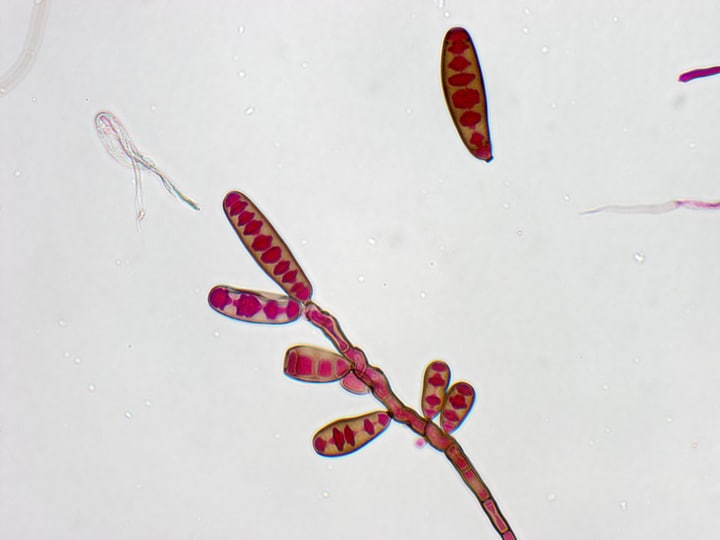
  • Image of Exserohilum rostratum

    Exserohilum rostratum

    As of October 10, 2012, CDC’s fungal disease laboratory has confirmed the presence of the fungus Exserohilum in 10 people with meningitis and the fungus Aspergillus in one person with meningitis.

  • Clinicians should continue to contact patients who have received medicines associated with three lots of preservative-free methylprednisolone acetate (80mg/ml) from the New England Compounding Center (NECC) that were recalled on September 26, 2012. The potentially contaminated injections were given starting May 21, 2012. See updated Clinician Guidance webpage for more information.
  • CDC's guidance to patients has not changed as a result of the expanded voluntary recall of all NECC productsExternal Web Site Icon, announced October 6. Patients who feel ill and are concerned about whether they received a medication from one of the NECC products recalled on September 26 should contact their physician.
  • Onset of symptoms is typically 1 to 4 weeks following injection, but there are also reports of shorter and longer periods of time between injection and onset of symptoms. See updated Patient Guidance.

»» Read More

FDA Advice On Safe Use Of Neti Pots

 Is Rinsing Your Sinuses Safe? - (JPG)

Photo Credit FDA

# 6516


Regular readers of this blog are no doubt aware that we saw two fatal cases of PAM (Primary Amoebic Meningoencephalitis) in Louisiana attributed to sinus irrigation using tap water (see Neti Pots & Naegleria Fowleri) last fall.


While rare, most Naegleria fowleri parasite infections occur in young children or teens exposed while swimming along the bottom of warm, often stagnant fresh water lakes or streams. 


According to the CDC’s FAQ on Naegleria, we average 2 to 4 infections each year in the United States with this parasite. .


But a few years ago nasal irrigation with N. fowleri contaminated tap water in Karachi, Pakistan was suspected to have caused 13 cases over 18 months. Earlier this summer (see this FluTrackers Thread) a number of new cases were reported in Pakistan, once again with suspicions cast towards contaminated tap water.


In the wake of the first two cases of N. fowleri in the United States associated with use of neti pots, the FDA has released some safety guidelines to reduce (and hopefully) eliminate the risks.


Is Rinsing Your Sinuses Safe?

Little teapots with long spouts have become a fixture in many homes for reasons that have nothing to do with tea.


Called neti pots, they are used to rinse the nasal passages with a saline (salt-based) solution, and have become popular as a treatment for congested sinuses, colds and allergies, and for moistening nasal passages exposed to dry indoor air.


However, the Food and Drug Administration (FDA) has concerns about the risk of infection tied to the improper use of neti pots and other nasal rinsing devices. The agency is informing consumers, manufacturers and health care professionals about safe practices for using all nasal rinsing devices, which include bulb syringes, squeeze bottles, and battery-operated pulsed water devices.


These devices are generally safe and useful products, says Steven Osborne, M.D., a medical officer in FDA’s Center for Devices and Radiological Health (CDRH). But they must be used and cleaned properly.


Most important is the source of water that is used with nasal rinsing devices. Tap water that is not filtered, treated, or processed in specific ways is not safe for use as a nasal rinse.


Some tap water contains low levels of organisms, such as bacteria and protozoa, including amoebas, which may be safe to swallow because stomach acid kills them.  But these “bugs” can stay alive in nasal passages and cause potentially serious infections, according to the Centers for Disease Control and Prevention (CDC).


Improper use of neti pots may have caused two deaths in 2011 in Louisiana from a rare brain infection that the state health department linked to tap water contaminated with an amoeba called Naegleria fowleri.

<SNIP>

What types of water are safe to use in nasal rinsing devices?

  • Distilled or sterile water, which you can buy in stores.  The label will state “distilled” or “sterile.” 
  • Boiled and cooled tap water—boiled for 3-5 minutes, then cooled until it is lukewarm. Previously boiled water can be stored in a clean, closed container for use within 24 hours.
  • Water passed through a filter with an absolute pore size of 1 micron or smaller, which traps potentially infectious organisms. CDC has information on selecting these filters, which you can buy from some hardware and discount stores, or online.

How do I use and care for my device?

  • Wash and dry hands.
  • Check that the device is clean and completely dry.
  • Use the appropriate water as recommended above to prepare the saline rinse, either with the prepared mixture supplied with the device, or one you make yourself.
  • Follow the manufacturer’s directions for use.
  • Wash the device with distilled, sterile, or boiled and cooled tap water, and then dry the inside with a paper towel or let it air dry between uses.

(Continue . . . )


For more on this rare, but generally fatal parasitic infection, you may wish to visit the CDC’s webpage:


Naegleria fowleri - Primary Amebic Meningoencephalitis (PAM)

image

Photo Credit CDC

Naegleria fowleri (commonly referred to as the "brain-eating ameba or amoeba"), is a free-living microscopic ameba*, (single-celled living organism). It can cause a very rare, but severe, infection of the brain called primary amebic meningoencephalitis (PAM). The ameba is commonly found in warm freshwater (e.g. lakes, rivers, and hot springs) and soil. Naegleria fowleri usually infects people when contaminated water enters the body through the nose. Once the ameba enters the nose, it travels to the brain where it causes PAM, which is usually fatal. Infection typically occurs when people go swimming or diving in warm freshwater places, like lakes and rivers. In very rare instances, Naegleria infections may also occur when contaminated water from other sources (such as inadequately chlorinated swimming pool water or heated and contaminated tapwater) enters the nose.


And for previous blogs on this fascinating parasite, you may wish to revisit:


The Return Of Naegleria fowleri
Neti Pots & Naegleria Fowleri
Sometimes It’s Zebras
»» Read More

FDA Warning On Fake Adderall


# 6356


Counterfeit drugs are a problem that has been around for some time, but appears to be getting worse as manufacturing delays and drug shortages send desperate customers in search of new sources for medications that they need.


A little more than a week ago, we saw from the Lancet: 1/3rd Of Malaria Drugs Fake Or Sub-Standard, and when the H1N1 pandemic was just getting started, we looked at the burgeoning business of selling fake antivirals in Spamalot: Fake Tamiflu


Yesterday the FDA issued a warning on a new internet drug scam, one that is selling counterfeit Adderall – a medication commonly used for attention deficit hyperactivity disorders (ADHD) and narcolepsy.


In recent months, Adderall has been one of hundreds of drugs that have come in short supply (see FDA’s Current Drug Shortages list), prompting some desperate parents and patients to seek online sources for the drug.


Unfortunately, what some of these people got was not Adderall – but a potentially dangerous mixture of Tramadol and acetaminophen.


Here is the FDA announcement, with information on how to spot fake, or counterfeit medications.


FDA NEWS RELEASE

For Immediate Release: May 29, 2012
Media Inquiries: Shelly Burgess, 301-796-4651,
shelly.burgess@fda.hhs.gov
Consumer Inquiries: 888-INFO-FDA

FDA warns consumers about counterfeit version of Teva’s Adderall


Tablets purchased on the Internet contain wrong active ingredients

The U.S. Food and Drug Administration is warning consumers and health care professionals about a counterfeit version of Teva Pharmaceutical Industries’ Adderall 30 milligram tablets that is being purchased on the Internet. Adderall, which is approved to treat attention deficit hyperactivity disorders (ADHD) and narcolepsy, is a prescription drug classified as a controlled substance – a class of drugs for which special controls are required for dispensing by pharmacists.


FDA’s preliminary laboratory tests revealed that the counterfeit version of Teva’s Adderall 30 mg tablets contained the wrong active ingredients. Adderall contains four active ingredients – dextroamphetamine saccharate, amphetamine aspartate, dextroamphetamine sulfate, and amphetamine sulfate. Instead of these active ingredients, the counterfeit product contained tramadol and acetaminophen, which are ingredients in medicines used to treat acute pain.


Currently on the FDA’s drug shortage list, Adderall is in short supply due to active pharmaceutical ingredient supply issues. Teva continues to release product as it becomes available. Consumers should be extra cautious when buying their medicines from online sources.  Rogue websites and distributors may especially target medicines in short supply for counterfeiting.


The counterfeit Adderall tablets are round, white and do not have any type of markings, such as letters or numbers. Any product that resembles the tablets or the packaging in the photos below and claims to be Teva’s Adderall 30 mg tablets should be considered counterfeit. The counterfeit versions of Adderall should be considered as unsafe, ineffective and potentially harmful.


Authentic Adderall 30 mg tablets produced by Teva are round, orange/peach, and scored tablets with “dp” embossed on one side and “30” on the other side of the tablet. Teva’s Adderall 30 mg tablets are packaged only in a 100-count bottle with the National Drug Code (NDC) 0555-0768-02 listed.

Pictures of the counterfeit version of Teva’s Adderall 30 mg tablets and packaging

Pictures of the counterfeit version of Teva’s Adderall 30 mg tablets and packaging. The counterfeit Adderall tablets are round, white and do not have any type of markings, such as letters or numbers.

Counterfeit Adderall label. There are misspellings on the package as follows: "NDS” instead of “NDC”, “Aspartrte” instead of “Aspartate”, and “Singel” instead of “Single”

The Adderall 30 mg product may be counterfeit if:

1. The product comes in a blister package.

2. There are misspellings on the package.

  • “NDS” instead of “NDC”
  • “Aspartrte” instead of “Aspartate”
  • “Singel” instead of “Single”

3. The tablets are white in color, round in shape, and are smooth.

4. The tablets have no markings on them.

Pictures of authentic Adderall 30 mg tablets (immediate release) by Teva (front and back side of tablet)

Pictures of authentic Adderall 30 mg tablets produced by Teva are round, orange/peach, and scored tablets with “dp” embossed on one side and “30” on the other side of the tablet.

Anyone who believes they have the counterfeit version of Teva’s Adderall 30 mg tablets should not take or should stop taking the product. Consumers should talk to their health care professional about their condition and options for treatment.


Consumers and health care professionals are encouraged to report adverse events or side effects from the suspect counterfeit Adderall to the FDA’s MedWatch Safety Information and Adverse Event Reporting Program:

  • Complete and submit the report online: www.fda.gov/MedWatch/report.htm.
  • Download form or call 1-800-332-1088 to request a reporting form, then complete and return to the address on the pre-addressed form, or submit by fax to 1-800-FDA-0178.

Consumers who believe they have received counterfeit Adderall should contact the FDA’s Office of Criminal Investigations (OCI) at 800-551-3989 or http://www.fda.gov/OCI.


The problem isn’t just limited to Adderall and Tamiflu.


While there are scores of legitimate online pharmacies, it doesn’t take much searching to find sites (particularly out of India and Asia) that offer to sell everything from antibiotics to narcotics – often without a prescription.


But what you get when you order these meds is anyone’s guess. 


The FDA has an online FAQ on Buying Medicines and Medical Products Online

»» Read More

FDA Statement On Azithromycin & Cardiovascular Risks


image


# 6334


Yesterday in NEJM: Cardiovascular Risks Of Taking Azithromycin I wrote about a study that found a `small absolute increase in cardiovascular deaths’ among patients taking the macrolide antibiotic Azithromycin when compared to a control group taking no antibiotics or with taking amoxicillin.

In response to that study, the FDA has released the following statement:


FDA Statement regarding azithromycin (Zithromax) and the risk of cardiovascular death

[05-17-2012] The U.S. Food and Drug Administration (FDA) is aware of the study published in the New England Journal of Medicine, on May 17, 2012, that compared the risks of cardiovascular death in patients treated with azithromycin (Zithromax), amoxicillin, ciprofloxacin (Cipro), levofloxacin (Levaquin), and no antibacterial drug.  The study reported a small increase in cardiovascular deaths, and in the risk of death from any cause, in persons treated with a 5-day course of azithromycin (Zithromax) compared to persons treated with amoxicillin, ciprofloxacin, or no drug. The risks of cardiovascular death associated with levofloxacin treatment were similar to those associated with azithromycin treatment.  FDA is reviewing the results from this study and will communicate any new information that results from the FDA review.


Patients taking azithromycin should not stop taking their medicine without talking to their healthcare professional.


Healthcare professionals should be aware of the potential for QT interval prolongation and heart arrhythmias when prescribing or administering antibacterial drugs. (See additional information below.)


Azithromycin belongs to a class of antibacterial drugs called macrolides, which have been associated with cardiovascular effects; specifically, prolongation of the QT interval. Prolongation of the QT interval can lead to torsades de pointes (TdP), an abnormal heart rhythm, which can be fatal.  Azithromycin was the only macrolide examined in the published study; the study did not address other macrolide antibacterial drugs, such as clarithromycin (Biaxin) and erythromycin, regarding the potential for cardiovascular death.


In 2011, FDA reviewed macrolide drug labeling information related to QT interval prolongation and TdP. The WARNINGS AND PRECAUTIONS section of the Zmax drug label (azithromycin extended release for oral suspension) was revised in March 2012 to include new information regarding risk for QT interval prolongation, which appears to be low. The drug labels for clarithromycin and erythromycin also contain information about QT interval prolongation in the WARNINGS section. FDA is in the process of updating risk information in the drug labels for additional macrolide antibacterial drugs.


FDA-approved indications for azithromycin include:

  • Acute bacterial exacerbations of chronic pulmonary disease
  • Acute bacterial sinusitis
  • Community-acquired pneumonia
  • Pharyngitis/tonsillitis
  • Uncomplicated skin and skin structure infections
  • Urethritis and cervicitis
  • Genital ulcer disease

FDA will communicate any new information on azithromycin and this study or the potential risk of QT interval prolongation after the agency has completed its review.

»» Read More

FDA Releases 2nd Edition Of the `Bad Bug Book’


image


# 6266


For the disease geek’s virtual bookshelf, the FDA has updated their Bad Bug Book – and the 264 page reference on foodborne pathogens is now available for download as a PDF file from the FDA’s Food Safety website.


The new edition was released earlier this week - and in addition to a wealth of scientific and technical data - includes a `For Consumers’ box of less-technical information on each pathogen.


Here is how the FDA describes the offering.


Bad Bug Book 2nd Edition

Foodborne Pathogenic Microorganisms and Natural Toxins Handbook

Available in PDF (2.62MB).

The second edition of the Bad Bug Book, published by the Center for Food Safety and Applied Nutrition, of the Food and Drug Administration (FDA), U.S. Department of Health and Human Services, provides current information about the major known agents that cause foodborne illness.


The information provided in this handbook is abbreviated and general in nature, and is intended for practical use. It is not intended to be a comprehensive scientific or clinical reference.


Each chapter in this book is about a pathogen – a bacterium, virus, or parasite – or a natural toxin that can contaminate food and cause illness. The book contains scientific and technical information about the major pathogens that cause these kinds of illnesses.


A separate “consumer box” in each chapter provides non-technical information, in everyday language. The boxes describe plainly what can make you sick and, more important, how to prevent it.

»» Read More

Kids, Colds, And OTC Meds


# 5878


With cold and flu season on the way, this is probably a good time to remind my readers that the CDC and the FDA continue to warn parents over the use of many over-the-counter (OTC) cough and cold medications in young children.


In January of 2008 the FDA issued a warning to parents that OTC cough and cold remedies were no longer considered to be safe or effective for children  under the age of 2.

 
Public Health Advisory: FDA Recommends that Over-the-Counter (OTC) Cough and Cold Products not be used for Infants and Children under 2 Years of Age

FDA has completed its review of information about the safety of over-the-counter (OTC) cough and cold medicines in infants and children under 2 years of age.  FDA is recommending that these drugs not be used to treat infants and children under 2 years of age because serious and potentially life-threatening side effects can occur.

(Continue . . . )


Despite this announcement, the debate over the safety and effectiveness of these same medications for older children continued, with some experts calling to ban their use for children under the age of 6.


In a bit of a pre-emptive strike, in the fall of 2008 the CHPA (Consumer Healthcare Products Association ) announced that its members were voluntarily modifying the product labels on many of their OTC meds to state "do not use" in children under 4 years of age. 


Despite these recommendations, and the publicity they generated, old habits apparently die hard.


Earlier this year the C.S. Mott Children’s Hospital National Poll on Children’s Health indicated that for a majority of parents, those warnings are going unheeded.


image


The following excerpts are from the University of Michigan Health System’s press release:


February 14, 2011

ANN ARBOR ,Mich.

Parents continue to give cough and cold meds to young kids, despite FDA warnings

Research has linked over-the-counter cough and cold products to poisoning or death in hundreds of children, ages 2 and younger. Studies have also shown that these medicines do little to control symptoms. As a result, in 2008, the United States Food and Drug Administration formally recommended that OTC cough and cold products not be given to children under age 2.


A poll released today by the C.S. Mott Children’s Hospital National Poll on Children’s Health shows that 61-percent of parents of children, ages 2 and younger, gave their children OTC cough and cold medicine within the last 12 months. The poll also shows that more than half of parents report that their child’s doctor says OTC cough and cold medications are safe for children under 2; half of their physicians said they are effective.

(Continue . . . )


For parents, watching their child suffer from a cold or flu can be very difficult, and so the impulse  to `do something’ to alleviate their misery is strong.   


But all medicines . . . even those available over-the-counter – have risks.  And for very small children, the FDA and the CDC  believe those risks outweigh any benefit they might derive from these types of products.


This from the CDC.


Cold and Cough Medicines: Information for Parents

Photo: A girl in bed with a cold

It's winter, and parents may be tempted to reach for over-the-counter medicines to ease their child's sniffling and coughs. But recent safety concerns have prompted drug manufacturers to change their labels stating that cough and cold medicines should NOT be given to children younger than age 4. Parents can take some steps now to help keep their children safe.


Each year, thousands of children under age 12 go to emergency rooms after taking over-the-counter cough and cold medicines. Most of these children were unsupervised when they took the medicine.


In response to safety concerns, the leading manufacturers of children's cough and cold medicines are voluntarily changing the labels on these products to state that they should not be used in children younger than 4 years of age.

(Continue . . .)


Adding to the risks, in December of 2010 we saw a study (see JAMA: Inconsistent Dosing Instructions For OTC Meds) demonstrating the dangerously ambiguous labeling of measuring devices, and inconsistent instructions, on many cough and cold medicines.


And in August of last year (see Inappropriate Use Of OTC Medicines In Children) a study was presented at the International Pharmaceutical Federation’s (FIP) conference in Lisbon, Portugal (Aug 28th-Sept 2nd), on the widespread parental misuse of over-the-counter (OTC) medicines for children.


The question remains, what can a parent do to help relieve their child’s symptoms without resorting to potentially harmful OTC meds?


Again the CDC has some suggestions that may help.


Symptom Relief

»» Read More

FDA Approves 2011-2012 Seasonal Influenza Vaccines


image

Photo Credit PHIL

# 5700


Just over 5 months ago - after consultations with public health officials, researchers, and pharmaceutical companies - the World Health Organization  released their recommendation for the antigenic composition of this fall’s trivalent flu vaccine.


The decision was to stay with the same mixture as had been used in the 2010-2011 vaccine in the Northern Hemisphere, and as had been selected for 2011 south of the Equator.


A/California/7/09 (H1N1)-like virus (pandemic (H1N1) 2009 influenza virus)

A/Perth /16/2009 (H3N2)-like virus

B/Brisbane/60/2008-like virus


The WHO also posted a full report with their rationale for each strain selection which you can access at:


Recommended composition of influenza virus vaccines for use in the 2011-2012 influenza season - full report.


The short version is: while minor variations have been observed in both the 2009 H1N1 and the seasonal H3N2 viruses over the past year, HI (Hemagglutination inhibition) testing of isolates suggest that the vast majority remain antigenically indistinguishable from the recommended strains.


Given the rapid evolution of influenza strains, and the six month lead time to produce each season’s vaccine, there is always the possibility that one of the strains in circulation may `drift’ antigenically away from the vaccine before the season ends.


Thus far, while some `low reactor’ strains have been detected, the majority of viruses tested appear to be a good antigenic match to the vaccine.


As they do every summer, the FDA has officially announced their approval of formulation, and the manufacturers, of this fall’s flu vaccines.


FDA NEWS RELEASE

For Immediate Release: July 18, 2011

FDA approves vaccines for the 2011-2012 influenza season

The U.S. Food and Drug Administration announced today that it has approved the influenza vaccine formulation for the 2011-2012 vaccine that will be used by the six manufacturers licensed to produce and distribute influenza vaccine for the United States.


Vaccination remains the cornerstone of preventing influenza, a contagious respiratory disease caused by influenza virus strains. The vaccine formulation protects against the three virus strains that surveillance indicates will be most common during the upcoming season and includes the same virus strains used for the 2010-2011 influenza season.


Between 5 percent and 20 percent of the U.S. population develops influenza each year, leading to more than 200,000 hospitalizations from related complications, according to the U.S. Centers for Disease Control and Prevention (CDC). Influenza-related deaths vary yearly, ranging from a low of about 3,000 to a high of 49,000 people.


“Vaccines to prevent seasonal influenza have a long and successful track record of safety and effectiveness in the United States,” said Karen Midthun, M.D., director of FDA’s Center for Biologics Evaluation and Research. “It is important to get vaccinated every year, even if the strains in the vaccine do not change, because the protection received the previous year will diminish over time and may be too low to provide protection into the next year.”


In addition to the important role that health care providers play in recommending influenza vaccination for their patients, influenza vaccination of health care personnel is also important to protect themselves, their patients, their family, and the community from influenza. The FDA urges health care organizations to encourage their members to follow CDC’s Advisory Committee on Immunization Practices (ACIP) recommendations to get vaccinated.


The brand names and manufacturers of the vaccines for the upcoming season are: Afluria, CSL Limited; Fluarix, GlaxoSmithKline Biologicals; FluLaval, ID Biomedical Corporation; FluMist, MedImmune Vaccines Inc.; Fluvirin, Novartis Vaccines and Diagnostics Limited; and Fluzone, Fluzone High-Dose and Fluzone Intradermal, Sanofi Pasteur Inc. Fluzone Intradermal, approved on May 9, 2011, will be available for those ages 18 years through 64 years. This vaccine is delivered into the skin, rather than the muscle, using a very small needle.


(Continue . . . )


As far as who should get the seasonal flu vaccination every year, the CDC recommends:


Who should get vaccinated?

Everyone 6 months and older should get a flu vaccine each year. This recommendation has been in place since February 24, 2010 when CDC’s Advisory Committee on Immunization Practices (ACIP) voted for “universal” flu vaccination in the U.S. to expand protection against the flu to more people. While everyone should get a flu vaccine each flu season, it's especially important that certain people get vaccinated either because they are at high risk of having serious flu-related complications or because they live with or care for people at high risk for developing flu-related complications.

  1. Pregnant women
  2. Children younger than 5, but especially children younger than 2 years old
  3. People 50 years of age and older
  4. People of any age with certain chronic medical conditions
  5. People who live in nursing homes and other long-term care facilities
  6. People who live with or care for those at high risk for complications from flu, including:
    1. Health care workers
    2. Household contacts of persons at high risk for complications from the flu
    3. Household contacts and out of home caregivers of children less than 6 months of age (these children are too young to be vaccinated)


While no vaccine can be claimed to be 100% safe or 100% effective, seasonal influenza vaccines have an excellent safety profile - and most years (depending on the recipient) – provide pretty good protection as well.


Concerns over developing Guillain Barre Syndrome (GBS) as a result of a flu shot have been shown to be overstated (see BMJ: No Substantial Link Between Flu Vaccines And Guillain-Barre Syndrome), and in Lancet: The Influenza - Guillain Barré Syndrome Connection we looked at a study that found you have a far better shot of developing GBS from the flu virus itself.


I’ll be getting my flu shot again this year.  I hope you will too.

»» Read More