Showing posts with label Heat. Show all posts

A Disaster In Slow Motion


image


# 6436


Disasters don’t always happen suddenly, with the ferocity of a tornado or earthquake.  Some disasters – like droughts - happen over weeks, months, or even years and insidiously exact their toll in lives lost, crops destroyed, and economies shaken.


The United States is no stranger to extreme drought conditions. Most famously, the nation saw an eight-ear drought that caused the horrific `dust bowl’ conditions across Oklahoma, Kansas, and Texas in the 1930s.


image

Dust storm Elkhart, Kansas 1937.


While not as dramatic or prolonged, according to A Climatology of 1980-2003 Extreme Weather and Climate Events (Ross and Lott, 2003), an intense drought & heat wave in 1980 caused:


1980


Drought/Heat Wave - June-September 1980: Central and eastern U.S. drought/heat wave caused damage to agriculture and other related industries.


Total Estimated Costs: $20.0 (55.6) Billion; 10,000 Deaths


And again, eight years later:


1988


Drought/Heat Wave - Summer 1988: 1988 drought in central and eastern U.S. with very severe losses to agriculture and related industries;

Total Estimated Costs: $40.0 (77.6) Billion; 7,500 Deaths

More people die from heat-related disasters in the U.S.  than from all of our hurricanes, tornados and blizzards combined.

The drought of 2012, which resulted in the declaration by the USDA last week of 1,016 primary counties in 26 states as natural disaster areas, is already being compared to the 1988 disaster.


The trend across the U.S. this year has been hot and dry. According to NOAA’s  State of the Climate National Overview (6/12):


Unfortunately, there is a lot of summer left to go, and the forecast is for continued drought conditions across roughly 60%  of the United States.

image


Corn, soybean and wheat futures prices have been rising for weeks in anticipation of lower-than-normal crop yields and last week the USDA has slashed its 2012 corn production forecast by about 12% from earlier estimates.


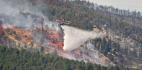
And along with drought inevitably come wildfires, which have destroyed millions of acres of woodland so far this year, and the fire season is far from over.


image

Credit US Forestry Service


Ready.gov has advice for preparing for a variety of disasters, including drought, heat, and wildfires.


Natural Disasters

drought parched earth

Drought >

Extreme Heat

Extreme Heat >

Scorched black trees and ground

Wildfires >


September is National Preparedness Month, but being prepared is a year-round endeavor.  Rather than focus on one single threat, the smart move is to work towards `all-threats’ preparedness, since you never know what you and your family may be faced with.


For more on how to get, and stay, prepared you may wish to revisit:


Inside My New Bug Out Bag
Picking Up The Pieces
When 72 Hours Isn’t Enough
In An Emergency, Who Has Your Back?
An Appropriate Level Of Preparedness
The Gift Of Preparedness 2011


»» Read More

The Biggest Weather-Related Killer


image

Today’s Heat Forecast – Credit NOAA 


# 6411


While less dramatic than a hurricane, tornado, or blizzard – heat waves kill more Americans during an average year than all three of those put together. And once again today (and through this weekend) heat indexes will be dangerously high across much of the eastern half of the country.


Counting the number of fatalities due to excessive heat is difficult, since many of those who succumb are elderly, and have other medical conditions.


As Rupa Basu and Jonathan M. Samet wrote in the Journal Epidemiological Reviews (see Relation between Elevated Ambient Temperature and Mortality: A Review of the Epidemiologic Evidence):


An average of 400 deaths annually are counted as directly related to heat in the United States, with the highest death rates occurring in persons aged 65 years or more (3). The actual magnitude of heat-related mortality may be notably greater than what has been reported, since we do not have widely accepted criteria for determining heat-related death (4, 5–7), and heat may not be listed on the death certificate as causing or contributing to death.


This disparity between counted and estimated heat-related deaths can be illustrated by the reports from the infamous heat wave of 1980, which `officially’ claimed `more than 1250 lives’ (cite NOAA  Heat Wave: A Major Summer Killer) but which unofficially may have killed as many as 10,000  (Tracking and Evaluating U.S. Billion Dollar Weather Disasters, 1980-2005 (Lott and Ross, 2006).


Eight years later, a heat wave across the central and eastern part of the nation killed as many as 7,500 people (cite). More recently, in 1999, a prolonged heat wave along the Eastern seaboard is believed to have killed 500 (cite).


And in Europe and across Russia a prolonged heat wave in 2010 may have contributed to tens of thousands of deaths (see Recent Heat Waves Likely Warmest Since 1500 in Europe).


Forecasters base their decision to issue heat warnings based on the heat index, a combination of heat and relative humidity, using the chart below:


image


Excessive heat alert warnings are usually issued when the forecast anticipates a heat index that exceeds 105°-110°F for at least 2 consecutive days. As you can see, when it is extremely humid, actually temperatures don’t have to get much above 90 to become dangerous.


In anticipation of this weekend’s heat wave, the CDC has posted some helpful information on beating the heat on their Have You Heard?  website.


Learn more about heat-related illness and how to stay cool and well in hot weather

Sunglasses on a sand dune

June 29, 2012

Getting too hot can make you sick. You can become ill from the heat if your body can't compensate for it and properly cool you off. Heat exposure can even kill you: it caused 8,015 deaths in the United States from 1979 to 2003. These are the main things affecting your body's ability to cool itself during extremely hot weather: high humidity and personal factors.

<Snip>

More Information


For more information, the Excessive Heat Events Guidebook was developed in 2006 by the EPA, the NWS, the CDC, and the DHS to provide the best practices for saving lives during heat waves in urban areas.


image


Some handy advice for this weekend, or anytime the heat index is excessively high:


Quick Tips for Responding to Excessive Heat Events

For the Public

Do

  • Use air conditioners or spend time in air-conditioned locations such as malls and libraries
  • Use portable electric fans to exhaust hot air from rooms or draw in cooler air
  • Take a cool bath or shower
  • Minimize direct exposure to the sun
  • Stay hydrated – regularly drink water or other nonalcoholic fluids
  • Eat light, cool, easy-to-digest foods such as fruit or salads
  • Wear loose fitting, light-colored clothes
  • Check on older, sick, or frail people who may need help responding to the heat
  • Know the symptoms of excessive heat exposure and the appropriate responses.

Don’t

  • Direct the flow of portable electric fans toward yourself when room temperature is hotter than 90°f
  • Leave children and pets alone in cars for any amount of time
  • Drink alcohol to try to stay cool
  • Eat heavy, hot, or hard-to-digest foods
  • Wear heavy, dark clothing.
»» Read More

The Heat Is On


image

# 5705


According to NOAA, roughly 141 million Americans are under an excessive heat advisory or warning today. 


While it is hot down here in Florida today, our heat index doesn’t compare with those being seen in the Midwest this week.


The CDC estimates that between 1999-2003, excessive heat was responsible for a total of 3,442 heat-related deaths (annual mean: 688)  (MMWR Heat-Related Deaths --- United States, 1999—2003)


You’ll find a detailed webpage on how to handle heat emergencies from the CDC’s Emergency Preparedness and Response  website:


Extreme Heat: A Prevention Guide to Promote Your Personal Health and Safety


image

(Continue . . . )


FEMA also has some sage advice on how to handle excessively hot weather.


During a Heat Emergency

What you should do if the weather is extremely hot:

  • Stay indoors as much as possible and limit exposure to the sun.
  • Stay on the lowest floor out of the sunshine if air conditioning is not available.
  • Consider spending the warmest part of the day in public buildings such as libraries, schools, movie theaters, shopping malls, and other community facilities. Circulating air can cool the body by increasing the perspiration rate of evaporation.
  • Eat well-balanced, light, and regular meals. Avoid using salt tablets unless directed to do so by a physician.
  • Drink plenty of water. Persons who have epilepsy or heart, kidney, or liver disease; are on fluid-restricted diets; or have a problem with fluid retention should consult a doctor before increasing liquid intake.
  • Limit intake of alcoholic beverages.
  • Dress in loose-fitting, lightweight, and light-colored clothes that cover as much skin as possible.
  • Protect face and head by wearing a wide-brimmed hat.
  • Check on family, friends, and neighbors who do not have air conditioning and who spend much of their time alone.
  • Never leave children or pets alone in closed vehicles.
  • Avoid strenuous work during the warmest part of the day. Use a buddy system when working in extreme heat, and take frequent breaks.

Additional Information

An emergency water shortage can be caused by prolonged drought, poor water supply management, or contamination of a surface water supply source or aquifer.


Drought can affect vast territorial regions and large population numbers. Drought also creates environmental conditions that increase the risk of other hazards such as fire, flash flood, and possible landslides and debris flow.

Conserving water means more water available for critical needs for everyone. Appendix A contains detailed suggestions for conserving water both indoors and outdoors. Make these practices a part of your daily life and help preserve this essential resource.


»» Read More